Cheladas

It’s that time of year again. The frost is on the ground, the Thanksgiving turkey is picked clean, and the winter holidays are approaching. If you’re heading to Mexico for some hot steamy fun, cool off with one of the many beer cocktails that are making waves south of the border. Bring a few recipes home and use them with your favorite local craft beer to remember your sunny vacation.

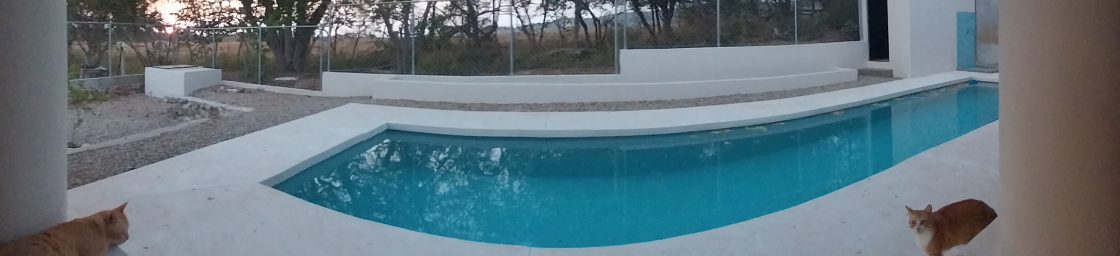
Before we swim over to the poolside bar, it helps to know a few things about Mexican mixed drinks, especially ones that include “chela”, a nickname that Mexicans have given to everyone’s favorite frosty beverage.

If you’re heading to Mexico for some hot steamy fun in the sun, make sure to try one of the many beer cocktails that are making waves south of the border. Bring a few recipes home and use your favorite local craft beer to remember your vacation.

Before we head to the bar, it helps to know a few things about Mexican mixed drinks, in particular ones that include beer.

Let’s start with some of the more surprising and exotic ingredients with this handy glossary.

Salsa. This is not the chunky variety that you use as a dip back home. In Mexico, salsa just means “sauce” and it can be any number of dips or toppings. Ketchup, Worchester sauce, salsa maggy, and Valentina are all examples of “salsa.”


La Ramona

A distinctive drink that’s often served in a large, bowl-like glass with the open beer bottle used as a garnish. Tequila, beer, clamato, salsa inglesa, salsa maggy, (petroleo) limone, tahini, orange juice.

La Ramona is a distinctive drink that’s often served in a large, bowl-like glass with an open beer bottle used as a garnish. It includes tequila and beer, Clamato juice, Worcestershire sauce, lime, and tahini.

Gummi Chela

Candy is dandy, liquor is quicker, and together they’re better. Limone, clamato, sal, mango gummies with red sauce, preferably dark beer. If you’re in the mood for something sweeter, try a Gummi Chela.

We’re not sure who had to the idea to combine dark beer, Clamato juice, and gummy bears with spicy red sauce and a rim of tangy salt, but kudos to that creative mind.

West Coast Michaleda

This one is more popular on the Pacific Coast of Mexico, where tourists from the northwestern US and Canada’s Lower Mainland tend to congregate. Coasties from the north like their seafood and beer, so why not combine them into one big happy glass? This drink that eats like a meal includes fried or peeled shrimp, pan drippings, other “chela” fixens. Dark beer is recommended but it’s not a requirement.

The West Coast Michelada was invented on the Pacific Coast of Mexico, where tourists from the northwestern US and Canada’s Lower Mainland tend to congregate. Visitors from the north like their seafood and beer, so why not combine them into one big happy glass? This drink that eats like a meal starts with a dark beer and includes fried or peeled shrimp, pan drippings, and other typical “chela” garnishes like lime, spicy red sauce, and salt.

Michelada de Sabores

Boilermakers. That means you get a shot glass either on the side of actually dropped into an oversized mug of beer. A frosty beverage with lemon, salt, and almost any flavor of alcohol but in particular tequila or mescal.

Pina Colada Chelada

Take away the sweet coconut milk and rum and replace it with beer, and you have this creative take on an old favorite. It might need a different name at that point, but there has yet to be a Beer Cocktail Committee ruling on what exactly this dink might be.


False Light

The Pantheon was quiet this time of year. The sun stayed high in the sky, the moon hung low in the east, and the wind brought rain down from the mountains. The harvest times and cold weather brought feast days and funerals, which meant more offerings and gifts for her and her undead patrons.

Named for the darkest time of night, Madrugada was vampire who fancied herself an entrepreneuse. In a frenzy of creative energy, driven by the lights and flowers of autumn, she had converted this crypt into a quaint watering hole for other residents of the graveyard and called it False Light.

This is how vampires, zombies, ghouls, and other undead refer to any type of illumination that isn’t sunlight. The northern lights in the sky are a type of false light.

Madrugada knew a place where it was always night. Or so she told her patrons, who often asked, and then didn’t believe what she told them. She had lived there for centuries, which was only a fraction of her existence.

Safe as candles, Madrugada always said. Wouldn’t even hurt a bat.

The crypt became known as an undead refuge as much as a successful business, and compelled her to stay on the mountainside. As the air cooled and the darkness rose, she sat up in her coffin and peeked carefully out of the western window.

There was still an orange light touching parts the mountainside. She guessed the sun was still hovering like a dark orange circle over the ocean but sinking fast. 

Madrugada leaned back into her coffin and bided her time by examining the most recent version of the drink menu. She was proud of her latest revisions. The total was now a perfect nine, and read as follows;

Holy Water. It burns, but in that good way and not like the real stuff. A bit of ground habanero, a shot of human vitals, and sharp apple soda. 

Hot Vampire. Not usually thought of as the warmest of bodies, the Host maintains they are the most appealing of the undead races. She is willing to die again on that hill with this drink, which combines a shot of Birmingham whiskey with whole Pequín peppers, lemonade, and jellied tonsils. 

Tiramigiu. Why pick them up when you really want to lay them down? Coffee, brain pudding, fresh cartilage, and the blood type of your choice.

The Bloody Nun. Based on a true story. Clamato juice, beer, a shot of type A, and a stick of red licorice.

The Torchbearer. Cream, maple syrup, type O negative, and tequila, layered and lit on fire. Mind your nose, if you still have one.

Winter Harvest. In memory of our fallen hero Grendel. A shot of Akvavit with sheep or goat’s blood, garnished with human bone marrow, drained and freshly smashed every day.  

Queen’s Poison. In honor of one of our most famous visitors. Sparkling water, lime, absinthe, plasma, and of course a blood-curdling scream. Not likely to turn you into an old hag, unfortunately. 

Screaming Eyes. How can the eyes scream? Every vampire who likes the eyes knows the answer to this riddle. Mull it over with tomato juice, a splash of lemon, vodka, a pinch of salt, oversized tapioca pearls, hemoglobin, and a generous garnish of pickled eyeballs.

The Unconsecrated. A drink from the Host’s own ancient homeland, inspired by the Vrykolakas of Greek folklore. Honey syrup, lemonade, ouzo, and fresh cerebrospinal fluid.

            The pub food usually consisted of the usual fare anyone would expect in a haven intended for the undead. Roasted beetles, crunchy dried ears, fried fiddleheads. Tonight, however, was special, so she was serving illuminated cakes using the same ancient recipe her mother had taught her.

The lamps were lit, the glasses were gleaming, and the sun fell into the ocean. It opened a dark red path from the horizon into the shadowy hills that sheltered the Pantheon. Her first customers would be here soon, fat and happy after eating some drunk tourists caught in an errant wave.

Another night in paradise.

The Refugee Crisis

The Illiad told the story of Troy’s destruction. The Odyssey brought the Greeks home. The Aenid followed the Trojan survivors west.

But what happened then?


A Two Scene Play

About 1000 BC, in what is now central Italy, formerly the Etruscan Federation. Every year, the leaders of the 12 biggest and most prominent cities meet to discuss reginal issues. Most of the time these meetings are discreet, civilized, and orderly. Today, however, the council is facing a crisis that will shake the foundations of their comfortable little empire.

Cast of characters;

  • The cities of the Federation: Arezzo, Kisra, Clevsi, Orvieto, Perugia, Cortona, Populonia, Vieo, Tarquinia, Vatalu, Volterra, and Volci
  • Aeneus, The Last Prince of Troy

Setting: The interior of a lavish but practical council room, featuring a long table with 12 chairs. One of the chairs is empty. The other eleven council members are talking about the latest news and wondering where the missing member – Vieo – could be. There’s a general murmur of chatter in the room as the scene begins.

Scene 1

ORVIETO: So, where is he? The sooner we get started the sooner we can leave. I have grapes that need pressing.

PERUGIA: You can fuss over your grapes later. Vieo is the closest to the coast, and he sent a messenger about the boats coming into sight. I sent a note back that he was to get a reasonable estimate of how many there are.

VOLTERRA: We could almost see them from the mountaintop. Word from the north says 30 boats, but…

The council door swings open, and Vieo stumbles in, obviously agitated and rushed.

CORTONA: Ho, our coastal friend arrives! What news from….

VIEO: (interrupts, obviously upset) They lied to us! I knew it, those bloody Carthaginians! They said what, 20 boats, maybe? There are more than 60 boats parked next to the swamp below my city!

The other cities make frightened or angry gestures while the chatter in the room intensifies. Only the two central figures, Perugia and Tarquina, remain calm, speaking quietly together. The chatter goes on while Vieo takes his seat. The other figures next to him at the table offer him comfort and a cup of wine.

ORVIETO: Drink up friend, it’s my latest vintage. Calm yourself, poor fellow!

VIEO: (hand trembling, puts the cup on the table) There were some big ships, enough for an army…and they say the prince himself is with them!

VOLTERRA: Dear gods, no wonder Dido sent them off! If Carthage can’t handle them…

AREZZO: The Trojan army, at our doorstep!

KISRA: We’ll be crushed!

PERUGIA and TARQUINIA have been sitting quietly, observing the scene. When panic sets in, TARQUINIA calmly rises. Her voice echoes throughout the council chamber. 

TARQUINIA: That’s enough! Vieo, sip your wine, and you two (nods at his seatmates), pipe down! As if we don’t have our own fearsome army? Future generations can rave about checkerboard patterns and sweet white wine, but is that’s what built the Federation?

KISRA: But…the Trojans….

PERUGIA: (interrupts her) …have been crushed by the Greeks. You mean those Trojans? Whatever they have in our harbor is no more than a ragtag group of pathetic survivors.

TARQUINIA: Those that fled, and have been running west, wide eyed and scared, like a lost herd of deer ever since.

VOLTERRA: The prince, though! What if he sends a delegation? An official letter or…

PERUGIA: (produces a rolled parchment) Like this?[1]

The scroll has a red ribbon and a golden seal that bears the crest of Troy. A collective gasp fills the room. The chatter dies down as TARQUINIA motions for silence. PERUGIA rises to her feet.

PERUGIA: The Prince has requested asylum for the survivors. Including a space to build permanent homes and settlements.

A murmur goes through the room. Voices are raised once again.

CLEVSI: It is as we feared!

VOLCI: A Prince of Troy, building a new city!

CORTONA: How long is it until they march north?

VALATU: Another empire, here on our shores!

VOLTERRA: May Tinia rain fire on their ships!

AREZZO: (yelling) My people will die before that eastern filth touches our streets!

KISRA: (cries loudly, clutches her beaded necklace) They’ll take our daughters, steal our children!

PERUGIA and TARQUINIA stay silent for a few moments and calmy let the anger in the room rise to a crescendo. When the murmur rises to a roar, they nod to each other, and TARQUINIA interrupts again.

TARQUINIA: Fellow cities, please, please!

PERUGIA: We understood you would have this response. We have already drafted a response we think everyone will accept.

A hush falls over the room as PERUGIA produces another parchment, obviously a rough copy, and reads it out loud.

PERUGIA: We are grateful and honored to have the Prince of Troy alight on our humble shores. We are happy to accommodate your request for succour in our friendly Federation. (an angry murmur ripples through the air, PERUGIA raises her voice to speak over it) All we ask in compensation for this accommodation is whatever is left from your family’s hoard, and you and your people may have the lowlands below the cliffs of Vieo (PERUGIA takes a moment to nod in the city’s direction) which marks the southern border of the Etruscan Federation. (a deadly hush suddenly falls over the table). May you prosper and live in peace in your new home.

There is now total silence in the chamber. Anyone standing slowly returns to their seat.

CORTONA: Sweet merciful olives. He’s giving them the swamp.

VIEO: By Una’s tits, (he’s staring at PERUGIA) you are a heartless bitch.

PERUGIA: Well, YOU were the one crying about all those boats. Now you get a nice view to watch their progress.

VIEO: Progress? Are you crazy? They’ll die down there. Fever, no fresh water, nothing but bracken…

AREZZO: Nothing grows in that swamp. Are they going to live on anchovies?

VIEO: That’s the point (speaking with a sudden, resigned calm, as he stares into the now empty wine glass).

TARQUINIA: Either they wither and stay weak and under our control, or they die. Either way, we’ll have the last of the Trojan riches, with no war or opposition.

TARQUINIA returns to her seat. PERUGIA remains standing.

PERUGIA: (waves the parchment in the air) Well, that’s our draft. What say you?

Every city raises a hand in agreement, except for VIEO, who puts the empty glass on the table and gives it a forlorn stare. PERUGIA smiles and slowly returns to her seat. The lights dim and the scene ends.

Scene 2

A year has passed, and the day of the annual meetings has arrived. PERUGIA and TARQUINIA are the only ones sitting in the chamber. They’re sitting in front of a large basket filled with gold coins and other spoils. Other members start to filter in, and cordial nods and greetings are exchanged as the council chamber fills up. Once again, however, VIEO is late, and his chair remains vacant).

CORTONA: (gestures towards the empty seat) The one person I wanted to see.

VOLTERRA: Right? What is it this time?

KISRA: Perhaps the drama in the swamp is keeping him busy.

A light wave of laughter ripples through the chamber. PERUGIA and TARQUINIA laugh a bit louder than the others. But then VIEO appears from stage left, wearing rich robes, some impressive jewellery, and carrying a fancy carafe. Everyone changes their tune to greet him.

PERUGIA: Oh, there he is! (smile fades and regards his clothes with a raised eyebrow). What news from the coast?

VIEO: (obviously in high spirits, ignores PERUGIA at first) Hello everyone! Well met, my friends, well met indeed. (walks over to Orvieto first) Orvieto, lover of wine and song, hand me your cup. This is the best vintage you’ll ever taste. Don’t scowl at me that way! Come now, tip your glass!

ORVIETO: A bold claim! The best? Better than the golden fruit of my sunny hillside?

ORVIETO sniffs the glass, takes a sip, his facial expression changes completely as he takes a deep drink. The other cities gasp in a mix of appreciation and apprehension. A vintage better than the wine of Orvieto!

ORVIETO: (offers his glass again) What on Una’s green earth? Where…

VIEO: I have a new friend, and they could even teach you something about wine. And other things! And here he is! Friends, may I present…

A figure in rich, flowing robes sweeps into the room. He’s a tall, handsome gentleman with a glowing smile, obviously high-borne and wealthy. A surprised gasp fills the room. Several cities jump out of their seats to shake his hand and complement him.

VIEO: Aeneus, the Prince of Troy!

PERUGIA and TARQUINIA look at each other in surprise, then look back at Aeneus. The prince seems to understand the tension and clears his throat, as if to make an announcement. The chamber falls silent.

AENEUS: Kind, compassionate leaders of the Etruscan Federation, it is indeed I. Prince Aeneus, the last surviving member of a once great royal house. I thought of sending a letter, like last year, or maybe even a formal delegation. But my friend here, (nods towards Orvieto) insisted that I visit personally as his guest.

TARQUINIA: (one of the few cities that isn’t swooning, rises and bows gracefully) We are honored by your presence, Lord Aeneus. How have you and your people been keeping for the last year?

TARQUINIA is painfully cordial and acts completely oblivious to the fact that she sent the refugees to die in a swamp. Aeneus, however, remains totally unfazed as he explains.

He produces his own decanter and starts to fill every glass on the table. VIEO is refilling ORVIETO’s glass and his neighbours are leaning forward, pushing their own glasses forward to get a taste.

AENEUS: Well, we did have some challenges! But such a rich land! How generous of you to give it so cheaply!

PERUGIA: (slowly blinks and leans forward) A rich land, you said?

AENEUS: Oh, absolutely! Once we built some aqueducts for drainage and irrigation, we started to see some impressive results. We made too much wine, so I thought I would bring some. Have you tried it?

PERUGIA: (blinks a few more times, getting slightly flustered) Not yet…(holds glass aloft, AENEUS pours a generous amount in, smiles and winks at her). Oh…that’s lovely, thank you.

VIEO: The aqueducts, my lord! The sweet water! (takes a gulp of wine). Tell them about the houses of bathing!

CORTONA: The houses of what? What was that?

VIEO: The water supply is so generous, all from what used to be a swamp! The crops are fine and strong, the animals are fat and happy…

CORTONA and RAVENNA: The bathing house!?

AENEUS: A simple and essential civic addition, my friends. A place for everyone to refresh, stay clean, and maybe have a bite to eat. A social time, something for leisure.

TARQUINIA: Ah, indeed, you would presume to teach the Etruscans of leisure?     

Everyone laughs politely, including Aeneus.

AENEUS: Of course, you must come and see them yourselves! Don’t be alarmed, the swamp has been almost completely drained but my engineers are still working on more stubborn parts. Draining water is a different idea than moving it in, certainly! But we managed. The land is rich if it’s managed properly.

VIEO: There’s a city too, and a port! (VIEO walks over to AENEUS, swaying a little) What are you calling it again?

AENEUS: Ah, yes, our little new Old City! We’ll think of another name soon enough. But does everyone have a full glass? Come now, take your seats, and accept some friendly gifts as symbols of our gratitude! How many of you have tried garum?

An entourage of Trojans comes in carrying baskets, chests, and litters overflowing with riches. Trade goods from all over the Mediterranean are stacked high on each, like silk, spices and ceramics. There’s also plenty of local goods, like olive oil, fruit, and fish. The crowd of Trojans and Etruscans mix happily and freely, talking about the exotic wares. TARQUINIA and AENEUS move to the front of the crowd and stand together, before the audience.

TARQUINIA: (has a silk scarf on and some long, beaded necklaces) I must say…this visit is a pleasant surprise.

AEUNEUS: Perhaps you did expect a visit eventually, but not of this nature. I do hope we can have a closer relationship in the future. Maybe I can name our new city after our mutual descendants, eh?

AENUES extends his hand and TARQUINIA enthusiastically clasps it.

TARQUINIA: Absolutely! (pauses briefly) Would you like to marry my daughter?[2]

FIN


[1] Etruscans are known for their love of geometric patterns.

[2] According to Virgil’s Aeneid, Prince Aeneus is the direct ancestor of Romulus and Remus.
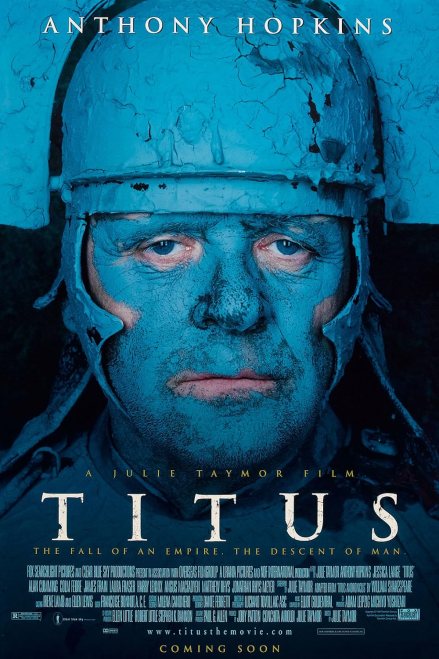
Anachronism in “Titus,” the 1999 Film Adaptation of Shakespeare’s “Titus Andronicus.”

By Kristy Ambrose

            Anachronism is a theatrical device that places something modern in an old or ancient setting.  Although this technique is associated with postmodern cinema, plays from the Middle Ages also utilize anachronism. Shakespeare used the technique to make allegorical references to contemporary themes and political figures. This connected the mentality of his audience with the drama on stage. In modern Shakespearean adaptations, anachronism is often utilized for the same purposes. One of the richest examples is Julie Taymor’s 1999 film, “Titus.” The film uses music, costuming, and set design from various eras, with a special emphasis on the 20th century, in a Classical Roman setting. This use of anachronism helps convey the timeless themes within the play and gives the modern audience a frame of reference.

            Shakespeare’s play Titus Andronicus is unique among the Bard’s work for several reasons. Unlike other plays that use a setting from Roman antiquity, such as Julius Caesar, the characters and events of Titus Andronicus are wholly fictional even if the era is not. It contains extreme examples of the death, violence, and evil schemes that are scattered throughout the tragedies. Elizabethan plays were known for their reliance on shock value when it came to drama, and Titus was written at a time when the practice was actually fashionable. This is not one of the most popular plays when it comes to theater productions because of the horrific subject matter, and that’s as true for now as it was in Shakespeare’s time. (Ebert)

            One thing that is fairly new is the concept of adapting stage plays for the silver screen. A Shakespearean play often has to be edited to fit into the common three act structure that defines most films. In the case of Titus, some speeches are rearranged and scenes are in a different order than the play. The dialogue itself is quite faithful to the play, with some lines omitted or paced elsewhere, but nothing is added. (Titus, 1999) There are some extra scenes added at the beginning and end but these do not contain dialogue. You can follow the text of the play as you watch the film. (Shakespeare).

            The backdrop of the theme, imperial power and perpetual war, connects to the underlying theme of war. The opening scene is not in the play and takes place in a contemporary kitchen. The vintage furniture and fixtures date from the 1960s and the toy soldiers cover a variety of eras. There are Roman soldiers along with soldiers from a modern army on the kitchen table. The child is carried from the modern house into a Roman amphitheater. This transition from modern to ancient is jarring and sudden and i meant to guide the audience from their own time into a much older one.

“Titus” was filmed in Roman ruins throughout Rome and the amphitheater featured in the beginning and opening scenes is located in Croatia. The play and the film are set in an unspecified historic period and the anachronism in this scene emphasizes the ambiguous historical time frame. The following scenes, in which the dead soldiers are interred and Alarbus is sacrificed, are virtually devoid of anachronism except for some details on the uniforms of Lucius and Titus’ other sons. In the play, this is the second scene, but it is moved to the opening in the film. The sacrifice of Alarbus is the “major reversal” that sets the rest of the story in motion and takes place within the first ten to fifteen minutes of a movie. Introducing the title character first is also preferable for this medium so the audience knows exactly who he is.

As we move to the debate of Bassianus and Saturninus the time period shifts again, This time, the audience again follows young Lucius to a setting that could be any political uprising. We are back in modern times again, but not the 1950s kitchen. The clothing, music and even the hirstyles reflects the Fascist philosophy of 20th century Italy and, the hedonistic music is reminiscent of 1920s big city life. (Ebert).

Saturninus is marked out as a villain partly because of his modern clothing and hairstyle. He and his rival, Bassianus, are both dressed in modern clothing. They drive cars and use microphones that would date from the 1920s. It is in this scene that we see how color is used with anachronistic features. Each faction has different flags. The colors of traditional Rome have already been established as black, white and light blue. Bassianus is flying blue and white banners as he approaches the capital building. The banners of Saturninus are red, orange and back, a contrast to the muted colors of his brother and in a pattern that recalls the modern German flag. His haircut is reminiscent of the clean-cut styles often worn by Nazis and his black suit mimics a Nazi Gestapo uniform.(“Good Hair, Evil Hair.”) The announces his intentions to rule Rome before the capitol building, which is not Classical but instead mimics modern Fascist architecture. The references to Nazi Germany could hardly be more stark.  

Anachronism is used in this part of the film to help introduce main literary themes. There’s the conflict between traditional and modern, symbolized in the younger Bassianus claiming the throne despite his less-qualified older brother being first in line. A more compassionate and qualified ruler can be defeated by a more populist authoritarian one. Titus himself is often shown in traditional Roman military uniform, which is steadily shed as his misfortunes mount.

The two main female characters, Lavinia and Tamora, wear both traditional and anachronistic costumes and hairstyles. The colors used in their costumes is also significant. Tamora is introduced first in the traditional clothing and attire of an ancient Goth. When she is presented as part of the spoils of conquest to Emperor Saturninus from Titus, she is dressed richly in gold. This puts her in contrast to a film palette that is mostly white, light blue or black. Lavinia is always in either black, white, or grey. The only other color we ever see on her clothing is the red of her own blood.(“Titus.”)

Lavinia first appears in a black dress and veil, the cut and style of which is reminiscent of Jackie Kennedy. This is a callback to the opening scene which was set in the same 1960s era and an example of traditional modern clothing. As the daughter of Titus, Lavinia embodies the best and most pure example of Roman piety. This is symbolized by her conservative, anachronistic clothing and her entrance, to pay her respects to her fallen brothers and victorious father in their family tomb.

The Andronicus family tomb is darker than the Senate chamber and throne room, but other than lighting there is little difference in color. When we see Lavinia in the Senate chamber as the intended of Saturninus, she is wearing the same black dress. In the same scene, Tamora is dressed in a golden breastplate and gold is woven into her blond hair. She embodies the spoils of war and how easily compulsive lust and unlimited riches can corrupt a weaker man. Saturninus admits as much when he sees her by referencing her unique appearance.

On lines 288 and 289 in Act 1 Scene 1 he says, “A goodly lady, trust me; of the hue / That I would choose, were I to choose anew.” (Shakespeare). A similar device might have been used in Elizabethan times to portray Tamora as a powerful character.

Strong colors and modern but less conservative clothing are used to distinguish the main villains throughout the film adaptation. They are connected with symbols of ruthless imperial power from the modern age. The wedding feast of Emperor Saturninus and Empress Tamora is a picture of decadence. It takes place in an interior amphitheater decorated with murals and centered around a luxurious pool. This is one of the more colorful sets in the film and also one of the most historically accurate. (“Titus (1999)”)

The music dates from the early 20th century, the clothing ranges from the Classical time period to contemporary designs.  We have a rich Roman banquet combined with a swinging Prohibition-style party. Saturninus is still dressed in the same era of clothing but more white than black. Tamora wears a modern sequin gown. She’s literally in gold from head to foot. Modern audiences would recognize these symbols of wealth and power. These eras were also indicative of a time when wealth meant ignorance and power meant corruption. Rome eventually fell apart and the excess of 1920s dissolved into the Depression of the 1930s.

The villains of Titus will also fall, in a dramatic bloodbath that is actually fairly tame compared to other tragedies like Hamlet. The setting is the rustic dining room at the Andronicus estate, which is deliberately designed to fit into any or no time period, but the guests are attired in modern clothing. Titus himself is wearing a clownish chef’s outfit, which dates from the 18th century, Lavinia appears in a white dress with a modern cut that mimics a burial shroud, while Saturninus and Lucius are still wearing modern military uniforms. Both Saturninus are dressed in white and gold. The clothing of Lucius and the Emperor is a reminder that this dinner is a military negotiation and tensions are already high. Tamora stands out again in gold braids similar to the scene in the Senate, reminiscent of the lust and greed that drew the young emperor to her side.    

 As the film closes, the audience once again follows Young Lucius to a somber but hopeful resolution. He is wearing a modern white suit that could be for both his father’s coronation and his grandfather and sister’s funeral. The play that began with a messy game of war ends with a peaceful sunrise and two hopeful children walking from the ancient ruins into the horizon. By returning to the present era at the end of the film adaptation, director Julie Taymor takes the modern audience out of the surrealistic nightmare of Titus and back to waking reality. (“Titus (1999)”)

The use of anachronism in the play serves an important artistic function. Titus alienated many in Shakespeare’s time with it’s violence but many others were drawn by this same thing. Today’s audiences are equally fascinated by horror, evil plots, and death. The universal themes of revenge, greed, lust and even squabbles between lovers and family members are still featured in movies and television shows as a source of drama and intrigue. Anachronism helps an audience in the modern era understand these timeless concepts as part of their own personal experiences.

Works Cited

“Good Hair, Evil Hair.” TV Tropes, tvtropes.org/pmwiki/pmwiki.php/Main/GoodHairEvilHair.

Gabe Moura. “The Three-Act Structure.” Elements of Cinema – A Student’s Guide to the Fundamentals of Filmmaking, http://www.elementsofcinema.com/screenwriting/three-act-structure/.

Roger Ebert. “Titus Movie Review & Film Summary.” Movie Reviews and Ratings by Film Critic Roger Ebert, http://www.rogerebert.com/reviews/titus-2000.

“Titus.” Directed by J Taymor, Clear Blue Sky Productions Overseas FilmGroup Urania Pictures S.r.l. NDF International. Film.

“Titus (1999).” IMDb, 21 Jan. 2000, http://www.imdb.com/title/tt0120866/?ref_=ttrel_rel_tt.

William Shakespeare. “Titus Andronicus.” Open Source Shakespeare, http://www.opensourceshakespeare.org/views/plays/play_view.php?WorkID=titus&Scope=entire&pleasewait=1&msg=pl.

Bibliography

“A Brief History Of The Chef’s Uniform.” Escoffier, 17 Feb. 2016, http://www.escoffier.edu/blog/culinary-arts/a-brief-history-of-the-chefs-uniform/.

De Grazia, Margreta, et al. “Anachronism.” Cultural Reformations: Medieval and Renaissance in Literary History, Oxford UP, 2010.

Ebert, Roger. “Titus Movie Review & Film Summary (2000).” Movie Reviews and Ratings by Film Critic Roger Ebert, 21 Jan. 2000, http://www.rogerebert.com/reviews/titus-2000.

Moura, Gabe. “The Three-Act Structure.” Elements of Cinema – A Student’s Guide to the Fundamentals of Filmmaking, 29 Nov. 2017, http://www.elementsofcinema.com/screenwriting/three-act-structure/.

Grasso, Joshua. “Creative Anachronism in Imaginative Fiction.” Medium, 19 Dec. 2018, medium.com/@joshuagrasso_58239/creative-anachronism-in-imaginative-fiction-7e661ba7001b.

Marcus, Leah S. “Chapter 7, Editing Shakespeare in a Postmodern Age.” A Concise Companion to Shakespeare and the Text, 1, Wiley-Blackwell, 2007, pp. 128-144.

Shakespeare, William. “Titus Andronicus.” Open Source Shakespeare, http://www.opensourceshakespeare.org/views/plays/play_view.php?WorkID=titus&Scope=entire&pleasewait=1&msg=pl.

“Titus (1999).” IMDb, 21 Jan. 2000, http://www.imdb.com/title/tt0120866/?ref_=ttrel_rel_tt.

Titus. Directed by J Taymor, Clear Blue Sky Productions Overseas FilmGroup Urania Pictures S.r.l. NDF International, 1999. Film.

“Titus.” TV Tropes, tvtropes.org/pmwiki/pmwiki.php/Film/Titus.

Death At the Bus Stop

It’s there at the same time every morning, just like I am. Of course, totally unbothered by the cold.

Dante described a layer of hell as a frozen wasteland, where the cold was used to torture instead of fire. The damned were frozen up to their necks, traitors to trusted friends and allies, and I agreed it was a suitable place for such wretched sinners.

My own sins were unknown to me. But I suppose the damned always say that.

I can’t ever see its face, so I don’t know if there’s really a skull or what underneath that hood. He turns this blank, unmarked void in my direction as I trudge to my assigned place.

“You’re late,” the voice is monotone, tired, but hopeful. Even the deity itself doesn’t know exactly when those yellow lights will shine through this white darkness. It raises a bony hand clutching an hourglass up to my face.

An angry schoolmarm trapped in the body of a mythological menace.

“You’re early,” I reply with my best sneer, but my bravado is hiding a real sense of fear. I pretend I’m not using my side-eye to peek down the street.

Looking for the lights. I couldn’t have missed them. Maybe they’re late, just like me.

The hourglass disappears, and it turns away, droning on. The voice he has today is gruff and fuzzy, like an old man grinding through the channels on a ham radio.

“Same drill as always,” it sounds bored. “Five minutes late, I take two of your fingers. Ten minutes, four more, along with your ears and nose.”

It is bored. So am I. Years of this. But it has to tell me, just the same. Divine protocol or something.

“Twenty, and you never have to go to school again.”

The statement ends with an uneven hiss that might pass for laughter in Hell.

“Burning in hell doesn’t sound so bad at the moment,” I stamp my feet, a combination of a tantrum at the unfairness of it all and the will to keep from dying.

The yellow light is weak, but cuts into the void. Two lights brighten on the street, and two others, red with authority, join them in banishing the creatures of the cold.

There wasn’t so much as a whisper. Death was gone. At least for now.

Better luck tomorrow, I thought, and was not entirely dishonest. It would be better to die, cross the river Styx, and be frozen in a pile of stinking mud than go home and tell my mother I had missed the bus.

I ascend into the school bus, all ten fingers intact.

Winter Morning

The kettle screams like two broken sheets of ice rubbing against each other in the frigid water. No amount of wool and cotton coverings can shield me from that.

Still groggy with dreams, I twist my body towards the window. The early morning is lined with frost and bright with stars and snow. The windowpane is so cold it feels like it could cut into the palm of my hand.

The thick woods nearby are blurred and dark. The lights of the distant road shine against the snow and ice. Sheathed in layers of soft flannel, I stumble to the kitchen and remove the hysterical kettle from the electric element.

It still emanates heat for a few minutes and I stand as close to it as possible, shivering. My mother, the enabler of the boiling beast, appears fresh from her morning jog across the new layer of snow. The very thought of this offends the warm Mediterranean blood that I inherited from my father. I dream of his sunny homeland as I wrap my hands around my steaming mug, which I habitually drink with too much sugar. My mother enjoys a bitter cup of plain tea as she informs me that the cross-country skis have already been waxed. It is far too early to worry about such fashionable frivolities as matching mittens, especially in this dark little corner of the world.

I find a mismatched ensemble of outerwear. By the time I step outside to strap on my skis, my fuzzy extremities are already slightly damp with sweat. The sky has taken on a streaky orange tone and the evergreen outline of the nearby pine forest have become much clearer, cutting into the auburn clouds. The steam is rising in plumes from my mouth but the goo inside my nose is stiff and not quite frozen. I twitch it, like a rabbit, testing the air. It is not too cold to snow.

I stab my poles ferociously and begin to glide forward. The way is familiar and I barely look up. Soon layers of snow and pine needles have closed in over my head. The hum of the nearby streets and power lines disappears as my feet glide down a long dark tunnel of scaly bark and frozen sap.

Every so often I catch a movement from the corner of my eye, and even though I try to tell myself that we are much too close to human habitation to encounter bears or wolves I feel my pace quicken. To emerge from the shelter of the trees is always a tense moment. I expect to feel a sudden, harsh wind to whip across the frozen river and numb my lips and eyes.

This morning the weather is merciful. There is no wind and a light snow is beginning to fall. Even with the scattered grey clouds the glittering white landscape is too much for my dilated pupils, still burning from sleep. My skis slip easily into the tracks made by those who came before me. They branch off at various points along this icy highway; residential homes, the junior high school, the outdoor hockey rink, and finally, the cemetery. I stop for a breath of air by a pile of black and grey marble lined with crusts of snow and icicles. As I peel off my toque and loosen my scarf, a chickadee sings a cheerful morning greeting and his voice echoes hauntingly at the edge of the dark wood. In passing it occurs to me that I would have to kill him and his entire family just to make a decent side dish.

The freshly fallen snow has turned the sidewalk into a mass of brown slush and the skis will move no more.

Years later I sit under the hazy heat of a bustling Asian city. The wind has grown cool as the autumn wanes into winter, and I dream of the day when the soft snow will kiss the city’s smoggy lips.

The Emerald Circle

Full disclosure – I wrote this almost 20 years ago now, and even though cannabis is now legal in several US states and on a federal level in Canada and Germany, it’s more important than ever that the Drug War ends.

The current US administration is filled with alcoholics that are using the Drug War as a pretext to kill people of color. Those boats getting blown up in the Eastern Pacific aren’t too far away from my own doorstep.

How many people has the White Empire killed using fentanyl as an excuse? Meanwhile, the Sackler family walked free after agreeing to a meager settlement.

END THE DRUG WAR NOW.


The Emerald Circle

It’s been 79 years since the Marijuana Tax Act was passed in 1937. Recent decades have shown some progress and finally, the facade of Prohibition is starting to fall apart. 

The Canadian legalization process took decades but was ultimately successful and recent rulings in Mexico have opened up the road to nationwide legalization. Success in the United States has mostly been at the state level. Efforts of anti-Prohibitionists to counter this alarmist and misguided social policy with facts, studies and logic are finally reaching the federal government.

As legalization progresses, what is the next step? Further education of the general public? Decades of misinformation have taken their toll. “Reefer Madness” continues to be a stumbling block to the commercial success of cannabis.

Proponents of cannabis legalization are heavily focused on the results of their efforts. The movement focuses almost exclusively on a result, the legalization of marijuana.

Instead of trying to break or damage the Prohibitionist ideology, the legalization movement should build another ideological system. This competing system will empower marginalized groups by demonstrating what they all have in common and appeal to even the most reefer-mad voter.

The Why, Not the What

Logically, the lies that prop up Prohibition should be successfully countered by the truth and hard facts.

Prohibitionists don’t care about the truth or the facts. They continue to ignore them. What exactly do they care about, and why? 

Prohibition advocates are more focused on the efforts they make to achieve the result. This is why they are not affected by the logical assertion that “Prohibition simply doesn’t work.” The results of Prohibition are not as important as the efforts made towards achieving that end.

It is the effort that drives the Prohibitionists, not the result, and this effort relies heavily on a system of belief that will never be swayed by facts.

“It’s not WHAT they do. It’s WHY they do it,” Simon Sinek asserts in his TED Talk, How Great Leaders Inspire Action.

This lecture is more about marketing and product positioning than civil disobedience, but Sinek uses inspirational civil rights leaders like Martin Luther King Jr. to help illustrate his point. His “Golden Circle” is constructed based on what motivates people and why.

It’s the why that’s important, not the what.

Every lie the Prohibitionists tell themselves and the rest of us about pot aren’t really about pot at all. Every myth about cannabis for recreation or medicine that Prohibitionists use is connected to a bigger picture, and ideology driven by very basic human emotions, the greatest of which is fear.

When a Prohibitionist sees the green marijuana leaf, it is not a literal depiction of a plant to their eyes. It is a symbol their worst fears. Some common, non-specific fears are fairly obvious, like the fear of terrorism or poverty.

Other more intangible fears include the fear of competing ideologies. For example, environmentalism stresses a world that is not human-centric. Socialist policies stress the good of the group as opposed to the individual.

The leaders of the Prohibitionist movement insist that marijuana is the source of many, if not all, of these real or imagined threats. The anti-Prohibitionists have this backwards. Most of the dialogue of the anti-prohibitionist starts with the “what” – the legalization of marijuana, which is the ultimate goal.

But why are we doing it?

The Circle Template

We can view the Prohibitionist ideology of fear in a simplified form using Simon Sinek’s “Golden Circle” diagram as a template.

            Why – to protect you from all the bad stuff in the world (crime, poverty, terrorism, sickness, sin),

            How – by doing everything we can to eradicate this plant, which is the source of your horrors, and punish anyone who touches it,

            What – marijuana prohibition.

As overblown as the “why” claim sounds, it succeeds by appealing to the most basic and childlike needs and desires of every human being alive. It simplifies complex problems and blames a single, outside entity for them, real or perceived. 

The “why” encompasses the purpose, cause and beliefs of the Prohibitionists.

Because without marijuana Prohibition protecting us, terrorists and criminals would swarm over society in days, leaving us completely powerless. We just can’t take that chance!

Another fringe benefit of the fear factor is that it gives the Prohibitionists the impression that they are constantly being attacked by these malevolent and insidious forces, which justifies their aggression against their opponents as a form of self-defence. This is how Prohibitionists justify harassing otherwise harmless people who are clearly not criminals.

This also explains why a Prohibitionist can rationalize their own personal pot use. The effort to eradicate marijuana certainly won’t include them. They don’t include themselves in any of the groups typically associated with marijuana (liberals or “leftists”).

The Legalization Movement needs its own Golden Circle. We need to recognize and use our own powers rather than work within the framework the Prohibitionists have built.

Breaking Prohibition doesn’t mean only the legalization of cannabis. It will empower the entire human race. And that means everyone. Inclusion is important because Division is one of the Prohibitionists’ favorite weapons (they keep it right next to Fear in the Authoritarian toolbox).

Emerald Circles

The Emerald Circle is about inclusion, improving the quality of life of everyone, and freedom from fear, anger and exclusion. Historic context is also important, as the Prohibitionists bristle at the thought of a world that existed without them.

In a very broad sense, this is one all encompassing form the Emerald Circle can take.

Why – to improve the quality of life for every single human being on this earth,

How – reducing and even eliminating our dependence on fossil fuels by discovering and developing alternative fuel resources, eliminating corruption in police and government, saving millions in taxes and fees and delays in our court processes related to overcrowding and lack of funds, etc. (pretty much everything that farmers, doctors, economists and hippies been trying to say for the past 90 years),

What – LEGALIZE IT.

The Emerald Circle is just as supernatural in its claims as the Prohibitionist counterpart.  However, every one of these things is possible with legalization even if in a tangential way. 

It makes more sense to break down the Emerald Circle into specific categories and apply it to different ideologies. For example, for those concerned with factory farming or GMO seeds and crops the Emerald Circle would focus on a different aspect of Prohibition.

Why – improve food production, availability, affordability and quality,

How – lift the restrictions against hardy and versatile crops that farmers are currently not allowed to seed, grow or cultivate,

What – LEGALIZE IT.

The connections to the bigger picture here include industrialized hemp as well as any seed that has been genetically modified or restricted for farmers to use, like certain types of corn. The Legalization Movement stand firmly in solidarity with another group, one that opposes genetically modified crops and factory farming but has the same ideological goals.

The message is a positive one that focuses on inclusion, empowerment and appeals to those that are concerned about the quality of their food or, on a more extreme level, afraid of starvation. Groups like Monsanto use the fear of starvation and unemployment to coerce both farmers and consumers into accepting factory farming and genetically modified crops. Nor does Monsanto allow its customers to choose what they grow.

The message of the Emerald Circle is diametrically opposed to the one that Monsanto and their supporters use. It empowers instead of bullies. It encourages self-sufficiency as opposed to relying on corporations to curate our food supply. 

Here’s another example that demonstrates the wider appeal of this philosophy.

Why – lessen the costs associated with health care while at the same time improving quality and delivery, 

How – by allowing patients to use natural and holistic alternatives that are scientifically proven to be effective against a variety of ailments and have been quality produced and tested by experts,      

What – LEGALIZE IT.

Concerns about the cost and delivery of health care are serious issues, so this appeals to anyone. This includes any and all patients (remember, inclusion is important) but can be applied to chronic patients that also need expensive prescriptions over long periods of time.

In this instance, we include anyone who is concerned about the costs in a general sense as well as the side-effects of prescription drugs that are distributed via the health care system and the ulterior motives of the companies that produce them. Government and insurance companies play on the fear of removing health care entirely when they insist that they must make cutbacks or increase premiums under the guise on improving or even saving the system from total destruction, depriving the frightened and vulnerable of a world entirely without health care.

The Emerald Circle combats this feeling of helplessness and empowers patients and doctors alike instead of threatening them.

One more example and perhaps the most poignant considering the driving forces in North American politics these days.

Why – eliminate our dependence on petroleum,

How – by researching and developing alternative forms of clean and renewable energy sources of plastic and other petroleum based products,

What – LEGALIZE IT.

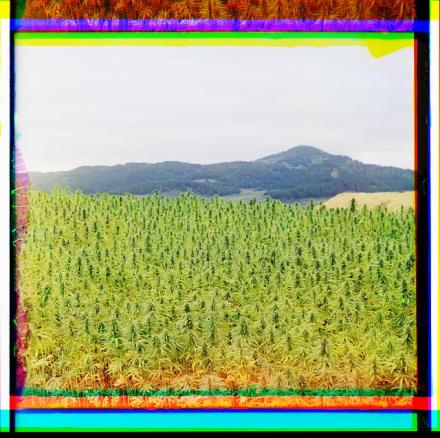
This includes hemp, of course, but can apply to virtually any alternative fuel source. Hemp is an option for replacing petroleum either as a bio-diesel or an ethanol fuel.

This counters the alarmist claims of  petroleum advocates who claim that without oil we would all have to go back to living in caves, appealing to the basic human fears of poverty or material loss. The general understanding is that petroleum is so important that we simply can’t live without it, even though we did so and thrived as a society and species for many thousands of years.

Just like the Prohibitionists who insist that making plants illegal is a normal practice and is common throughout human history when the contrary is true.

Fighting this false ideology that has been the Prohibitionist gravy train for almost a century by trying to challenge it with facts may seem like the obvious answer but it has proven to be futile. A competing ideology, one that uses the opposite tactics (inclusion where there is division, empowerment where there is helplessness) and appeals to positive human emotions instead of negative ones can succeed where raw data has failed.

The Emerald Circle is not a marketing ploy or a psychological trick. It is the natural evolution of  normalizing cannabis. The Legalization Movement needs to remind humanity of the positive things they were capable of, and will be again, in a world without cannabis Prohibition.

References

Hemp Ethanol Saves the World: http://hemp-ethanol.blogspot.com/2008/01/economics-history-and-politics-of-hemp.html

“Mexico: February 22 Recreational Marijuana is Legal.” The Mazatlán Post. Last modified February 17, 2019. https://themazatlanpost.com/2019/02/16/mexico-february-22-recreational-marijuana-is-legal/.

Simon Sinek, “How Great Leaders Inspire Action.” http://www.ted.com/talks/simon_sinek_how_great_leaders_inspire_action.html

 “The Emperor’s Wears No Clothes”, Jack Herer, AH HA Publishing, 2007.

 US Legal, Inc. “Marijuana Tax Act Law and Legal Definition.” Legal Definitions Legal Terms Dictionary | USLegal, Inc. Accessed April 16, 2019. https://definitions.uslegal.com/m/marijuana-tax-act%20/.

Writing Resume

Contact Info And LinkedIn Profile

Educational Background

  • May 1997 – May 2000: The University of Victoria, Victoria, BC – B.A., English Literature and Italian
    • My BA consists of a major in English Literature and a minor in Italian. Completion of this program included studying at a university in Perugia, Italy, for five months in 1999.

  • January 2013 – March 2013: Douglas College, David Lam Campus, Coquitlam, BC – TESL Certification
    • This program reviews and improves on earlier ESL certificates by including linguistics and lesson planning along with conversational learning methods. It’s designed primarily for teachers of adults, but many of the skills taught here can be used in virtually any classroom.

  • September 2025 – June 2026: The Writer’s Studio: Creative Writing Certificate, virtual classes 
    • My personal cohort was Commercial Fiction. Each module focused on a specific part of the writing process, up to and including publication. Admission was decided by portfolio submissions and graduation is determined by demonstrating refined skills after the last term.

Professional Experience

Demand Studios, Writer and Editor

  • March 2009- May 2013  

Produced short blog posts on a wide variety of topics that included travel, pet care, education, and more. Tasks included editing and research in addition to producing compelling and factual copy.   

BrightHub, Writer and Editor

  • January 2012 – November 2013         

Responsible for producing articles and blog posts specifically related to travel, pet care, and education, specifically ESL teaching. Pieces required strict and meticulous adherence to research and detail, especially regarding references.

Constant Content, Writer and Content Creator

  • January 2010 – 2015    

A part of several writing teams that worked on various corporate projects, which involved product descriptions, travel advice, and other trending topics.

Tasks also included private jobs and composing individual, customized pieces for websites, instruction manuals, “top ten” lists, and transportation guides.

Valnet Inc., Writer and Content Creator

  • March 2019 – August 2025

Equal parts working alone and with various groups and teams to complete lists and guides about trending topics in the world of entertainment. 

Subject matter is dominated by video games, but other popular categories of interest include movies and television shows.

Static Media, Writer, Photo Editor, and Researcher

September 2025 – June 2026

  • Creating travel-related content for a variety of destinations throughout Canada, the United States, and occasionally Mexico
  • Responsible for factual, meticulously sourced information regarding accommodations, travel times, attractions, and activities

Related Activities


Sunset over Zipolite

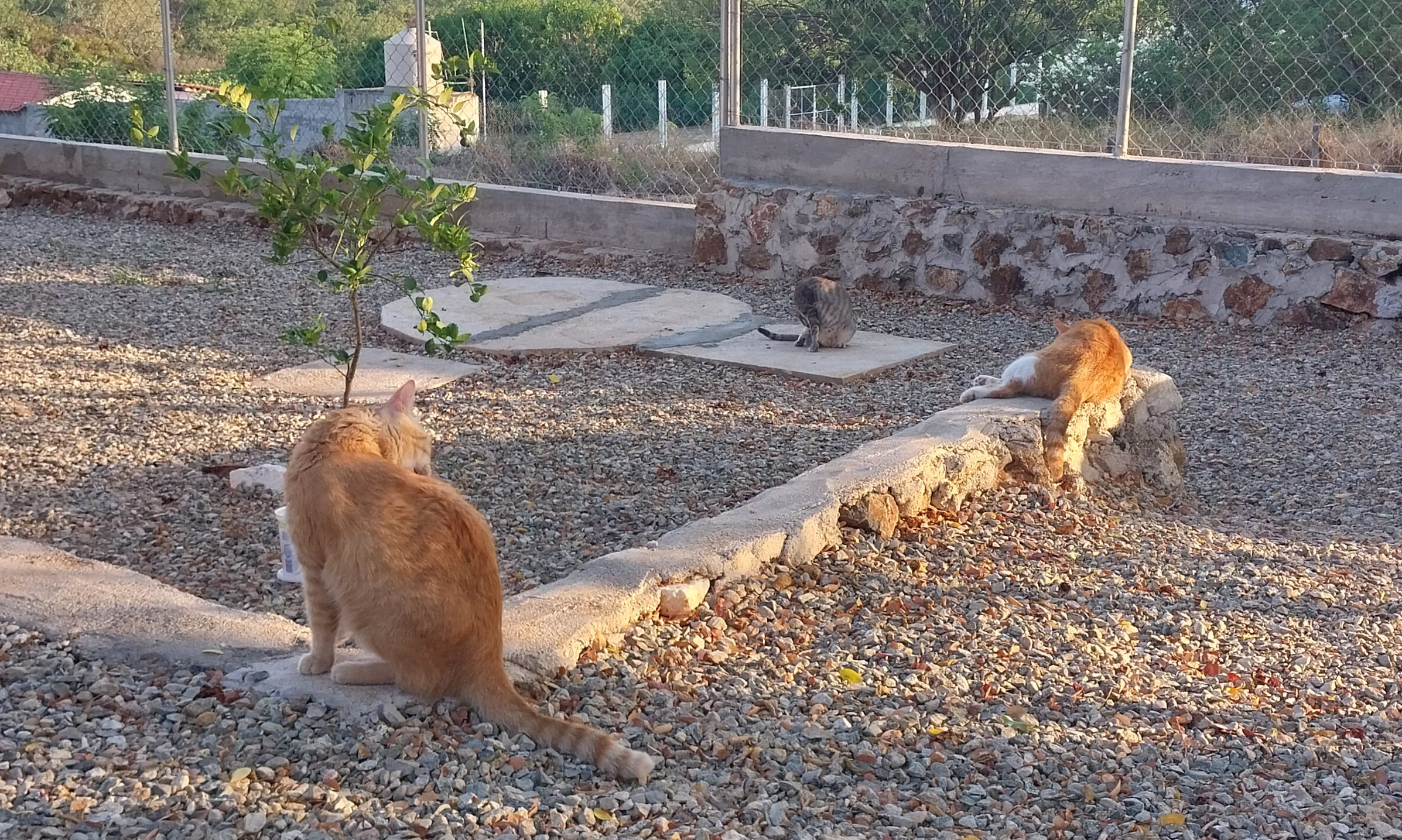
The Flying Cat

A Guide to Feline Air Travel

Travel with pets has also become more common, and travel culture has evolved to reflect the trend. Taking the family dog seems to get a lot of press, but what about our feline friends? It’s actually quite easy to travel with a cat, even on a plane.

This short guide can help you travel safely and efficiently with your furry friend.

When Cats Fly

Sometimes taking your pet with you is worth alleviating the stress of paying for a kennel or finding a sitter. It’s not as complex or terrifying as it sounds. With just some simple advance planning, and you and your feline friend can travel together with confidence and comfort.

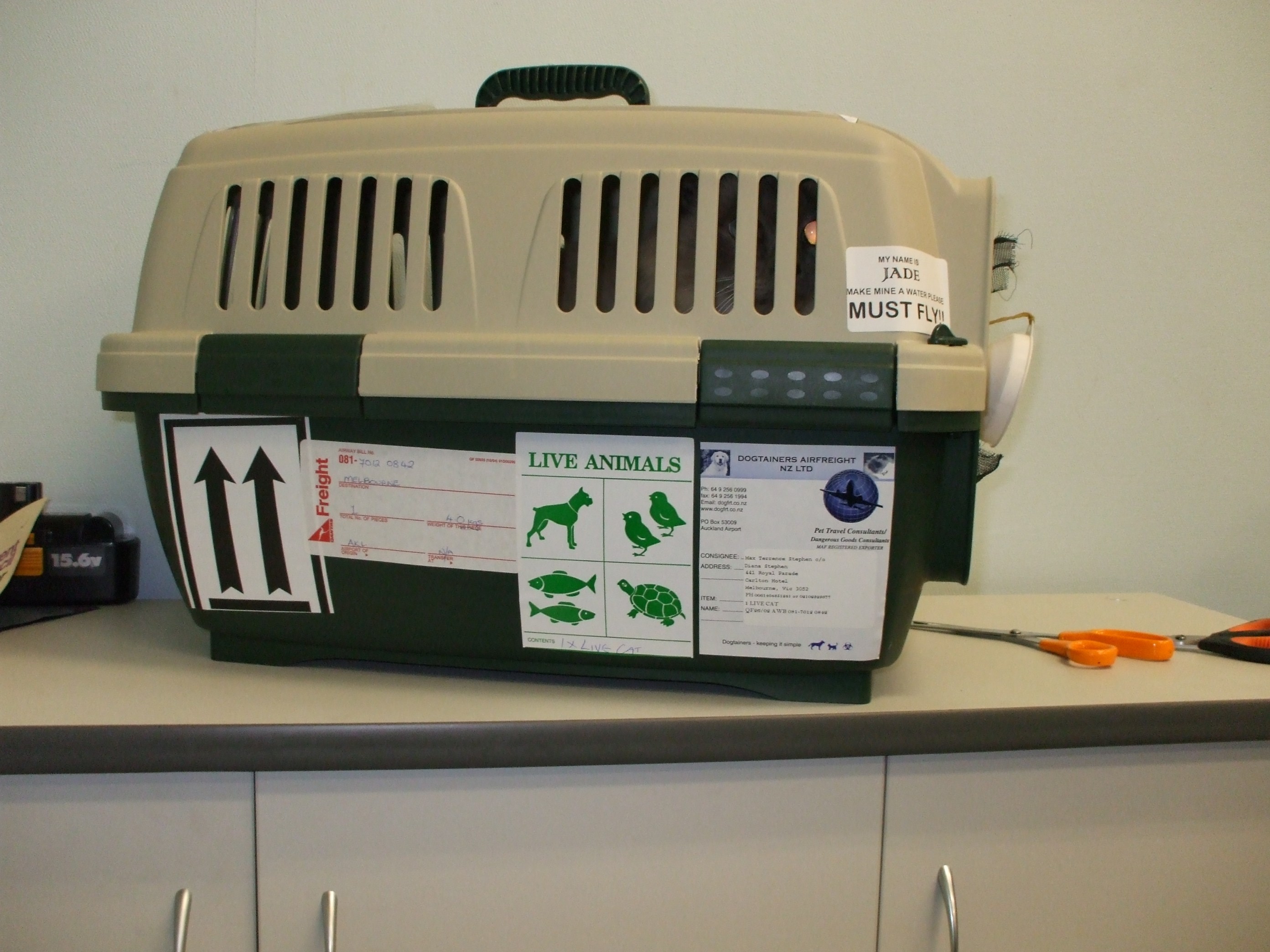
dogtainers_pet_transport_clipper_cat_cage_plastic_travel_crate_labelled.jpg
The same make and model of a basic, hard-sided carrier. In 2002, cargo was often mandatory for live animals and a hard-backed carrying case was essential. Pets now travel in the cabin as long as they can fit.

No matter which airline you choose, or where you’re going, finding a carrying case should be your very first priority. Make sure you have a suitable kennel for your pet to travel in. It must be comfortable enough for your pet to stay in for extended periods of time.

Some airlines will not allow you to fly your cat as cargo due to weather or space constraints but insist that your pet is in the cabin with you. This is a preferable option, as the cargo hold can be cold and cramped, and is usually reserved for larger pets like big dogs.

After taking these things into consideration, you are ready to book your flight.

“Plane” Ahead

Before you book your flight or flights, consider your feline friend. What is their general disposition? Are they young or old, quiet or active?

An energetic or noisy cat might be better flying as cargo but an older, calmer cat can stay with you in the cabin.

Can your cat stay in one spot for a long period of time, perhaps with only a small toy, water, and the occasional snack?

Virtually all airlines allow pets but not without restrictions. It’s generally easier to get a cat on a plane than a dog, as they are smaller and have fewer cultural stigmas.

Contrary to popular belief, airlines almost unanimously request that you not sedate your pet. Sometimes a calming medication can have the opposite effect if the animal is panicked or in an unfamiliar place.

Sedate your pet only if your veterinarian recommends that you do so. Many airports have pet-friendly areas that you and your pet can use to rest between flights. Some charter or “no frills” airlines still do not allow pets at all because of space and baggage issues.

The major carriers usually have all choices available. Your cat can travel in the cabin with you, in the luggage compartment if you go on the same on the same flight, or departing as cargo on another flight.

Certain carrying equipment and accessories will be mandatory in transit. You will be required to purchase them on the road if you don’t have them, which will be more expensive and cause delays.

Visit the Vet

Getting your cat’s health checked by a vet and officially certified are two of the biggest steps you and your cat have to take.

Aside from the documents for customs, the airline will require their own documentation that describes the cat’s vital statistics (weight, age, size, color) and confirms that it has a clean bill of health. Find these vital statistics by using the equipment at the veterinarian’s office instead of your scale at home. Measure the length from the tip of the tail to the tip of the nose, and the height from the floor to the top of the shoulder, and obtain written confirmation regarding your pet’s measurements from your vet.

Ask your vet about motion sickness medication for your pet even if they are a seasoned traveler. Try to choose something that won’t sedate them. Get as much documentation as possible regarding vaccinations, chronic conditions or surgeries.

Up-to-date rabies shots are required for any cross-border travel and may also be required by a motel or other kinds of transportation.

Most airlines will only require certification of a recent vet examination and confirmation of rabies shots as a health certification. This will most likely need to be accompanied by a similar certification from a government agency, such as the FDA (Food and Drug Administration) or the CFIA (Canadian Food Inspection Agency).

Island nations such as Japan, England and Australia are notoriously strict and will require at least a few weeks of quarantine regardless of your preparations.

Countries like South Korea, Canada and Mexico have minimal requirements of rabies shot and a clean bill of health. The US is also very accessible with the exception of Hawaii. Check with the embassy of the country that you wish to visit for the exact forms and regulations.

Follow these steps to the letter. Failing to do so might result in you and your pet being turned away, or even worse, your cat could be euthanized. Avoid this nightmare and be prepared!

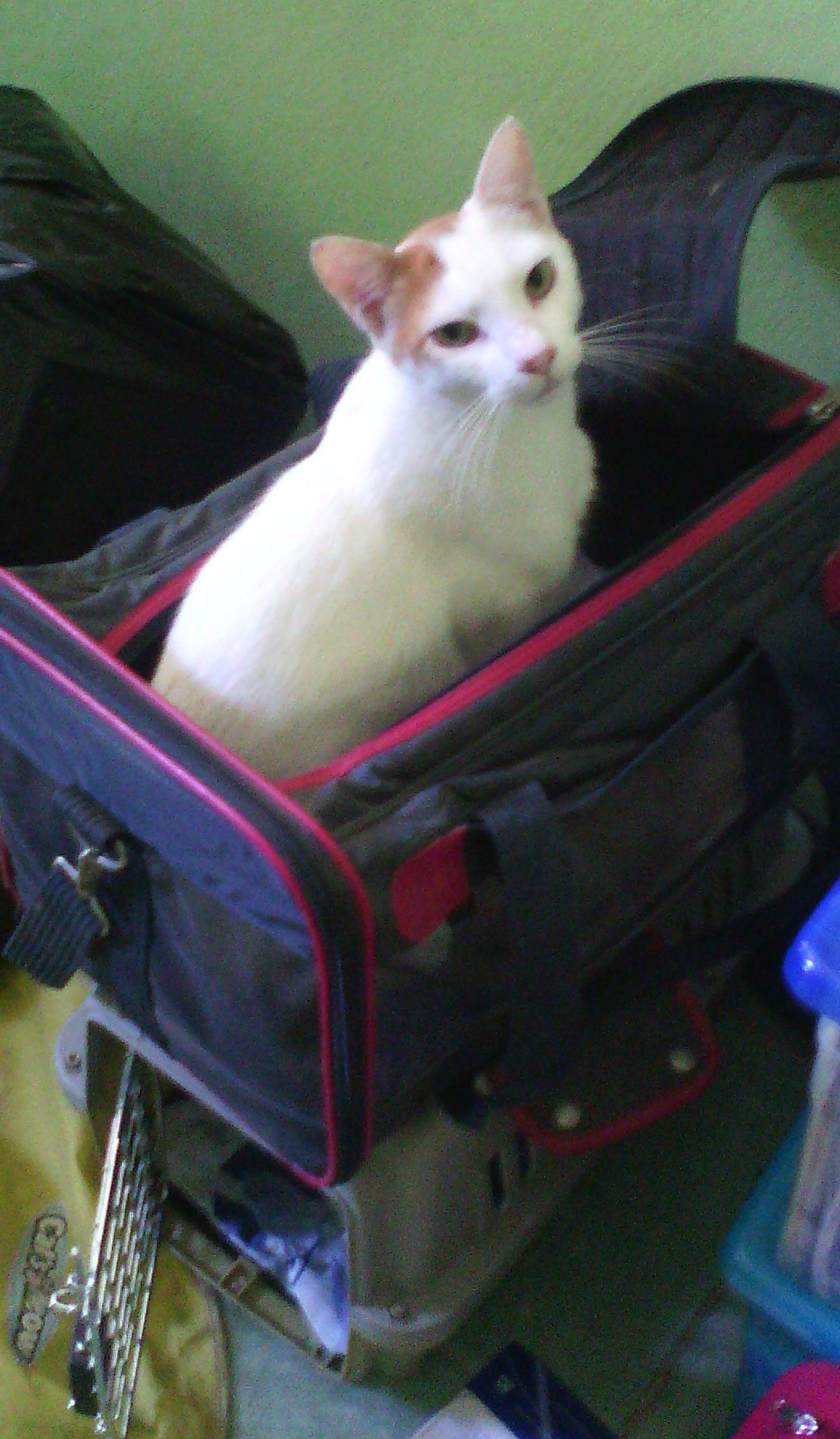
img_20160209_083102-e1523217411335.jpg
Pangur Ban, always an enthusiastic traveler. He’s sitting in a soft-backed carrier that’s the required size for a trip with you in the cabin. The hard plastic carrier below can also fit under an airline seat.

Purry Landing

Make sure that you have the proper paperwork on hand if you are crossing an international border. You should have at least two copies of each.

Bring a supply of any medications or special food your pet needs. These might be difficult to find depending on where you’re going.

Rent a car with a pet-friendly company to avoid dealing with trains or public transit, which usually do not allow pets unless they are working animals. Uber or other rideshare programs also have these options.

Consider your arrival arrangements carefully. Determine if you will need a hotel and for how long. Budget carefully, as motels often require pet deposits, and pet-friendly rooms can be more expensive.

You will be required by the motel to provide a contact number to confirm your reservations (this will also be required by the airline, if applicable) and details regarding your furry friend, including its measurements and weight.


There are many reasons to take your cat with you when you travel.

Perhaps you are taking an extended vacation and your affectionate, sensitive feline companion can’t bear to be left alone. Maybe you’re taking an employment contract overseas that might last months or even years and you can’t bear to give your best friend away.

Fear not, as your feline friend is now welcome in airports, planes, and hotels as long as you stay informed and plan ahead.


References:

Pet Airline Information | Airline Travel Tips | PetTravel.com. (n.d.). Retrieved from http://www.pettravel.com/passports_airlinetrtips.cfm

Pet Travel Tips. (n.d.). Retrieved from http://petswelcome.com/articles/travel-tips

Pets (Dogs, cats and ferrets) – Animal Health Certificates – Canadian Food Inspection Agency. (2018, March 5). Retrieved from http://www.inspection.gc.ca/animals/terrestrial-animals/exports/live-animals/health-certificates/pets/eng/1321265624789/1321281361100

Travel Training for You and Your Pets. (2017, October 19). Retrieved from https://www.fda.gov/AnimalVeterinary/ResourcesforYou/AnimalHealthLiteracy/ucm352635.htm

The featured image was taken by a neighbor of mine when Chamsae and I lived on Nelson Street in Vancouver. 

Local Superfood

The word “superfood” sounds dramatic, but it’s just a marketing term that refers to certain kinds of nutrient-rich food. This trend overlaps into restaurants, markets, and grocery stores.

Blueberries, kale, and salmon are famous examples. I also see plants like bamboo as hemp as a superfood, since they can do so many things other than being food. Related to the superfood craze is the juicing trend, the popularity of detox drinks and the farm to table restaurant niche.

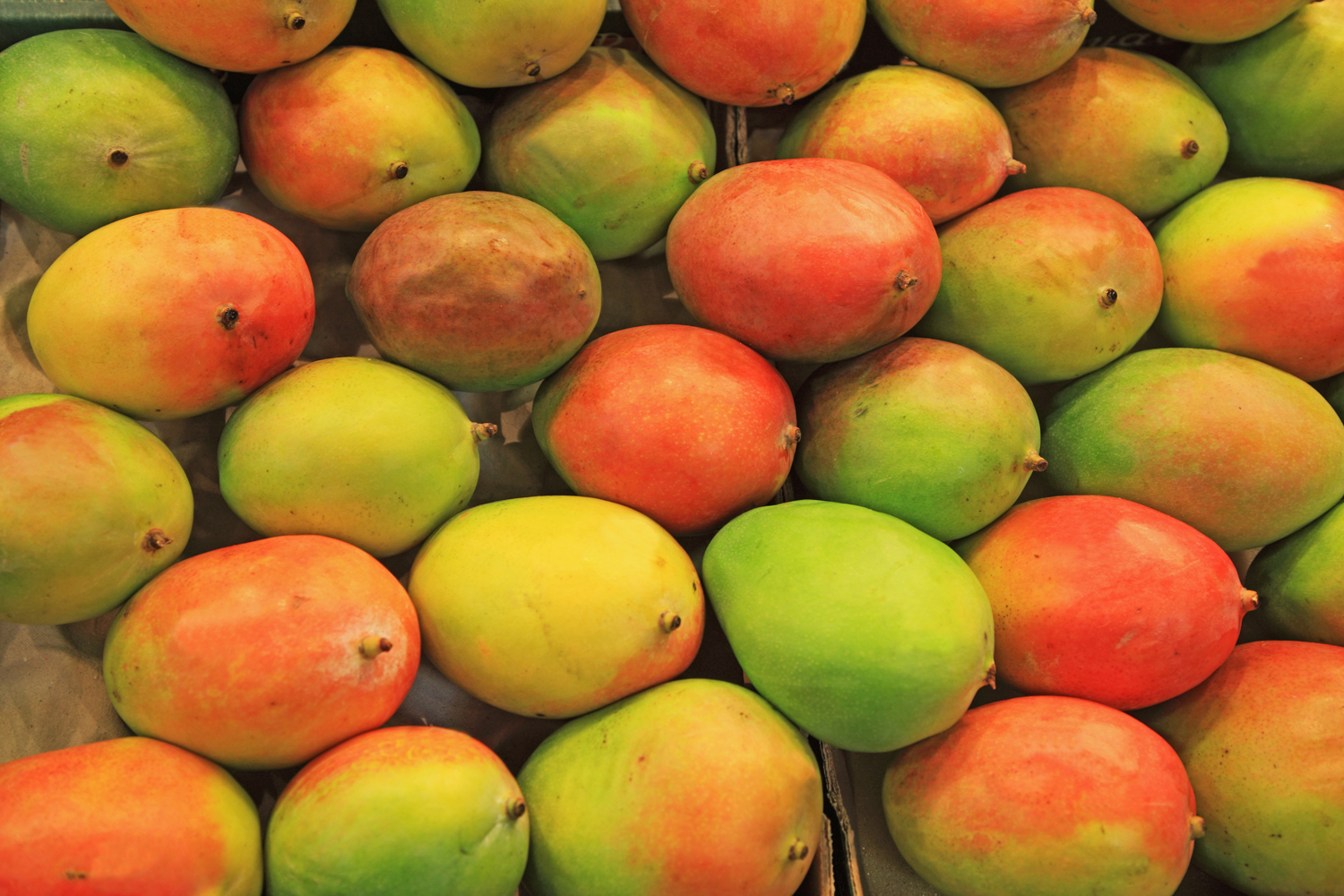
Image: mangos

Growing up in western Ontario meant that fresh fruit was a novelty just as much as hot, spicy food. Actually, any kind of fresh food was a novelty.

My obsession with the tropics might have something to do with my appreciation for exotic food, especially fruit. Even bananas were a treat back in the day. And there was one variety – yellow.

Yellow with a sticker.

1305679449546

I remember the novelty of seeing mangoes and coconuts for sale in the grocery store at a certain time of year. They were a luxury, and restrictively expensive.

The mangoes were always a pile of dark green bricks that smelled better than they tasted and the poor little coconuts were barely the size of softballs.

The fresh fruits and veggies I enjoy now are too numerous to count. Cold-pressed juice, fresh seafood and organic vegetables are just a way of life here in Oaxaca.

Here’s a short list of some “superfood” that I see here almost every day.

Mangoes

A colleague at UNISTMO in Tehuantepec told me that there were more than 16 different types of mangoes in Oaxaca alone. I haven’t been able to find a source to back this up, but considering that Oaxaca produces more mangoes than any other state in Mexico, it’s not hard to believe.

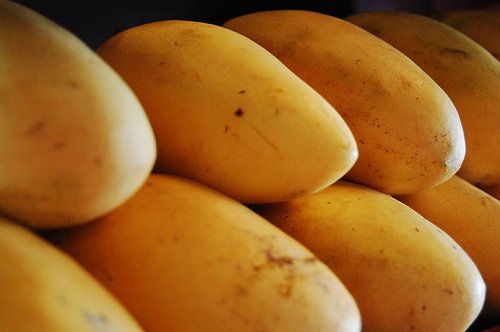
The ones I often see are the small yellow local ataufas or the much larger Tommy Atkins variety, which range from green, orange, and deep red. They’re really high in vitamin C and contain minerals like calcium and iron that other fruits don’t often have.

Mangoes are fantastic not only because of the sweet, rich taste and nutritional value but because of all the things you can do with them in the kitchen and workshop.

They work great in smoothies, pancakes, and salads just to name a few. More ambitious crafters use the creamy texture in cosmetics like creams and shampoos.

coconuts

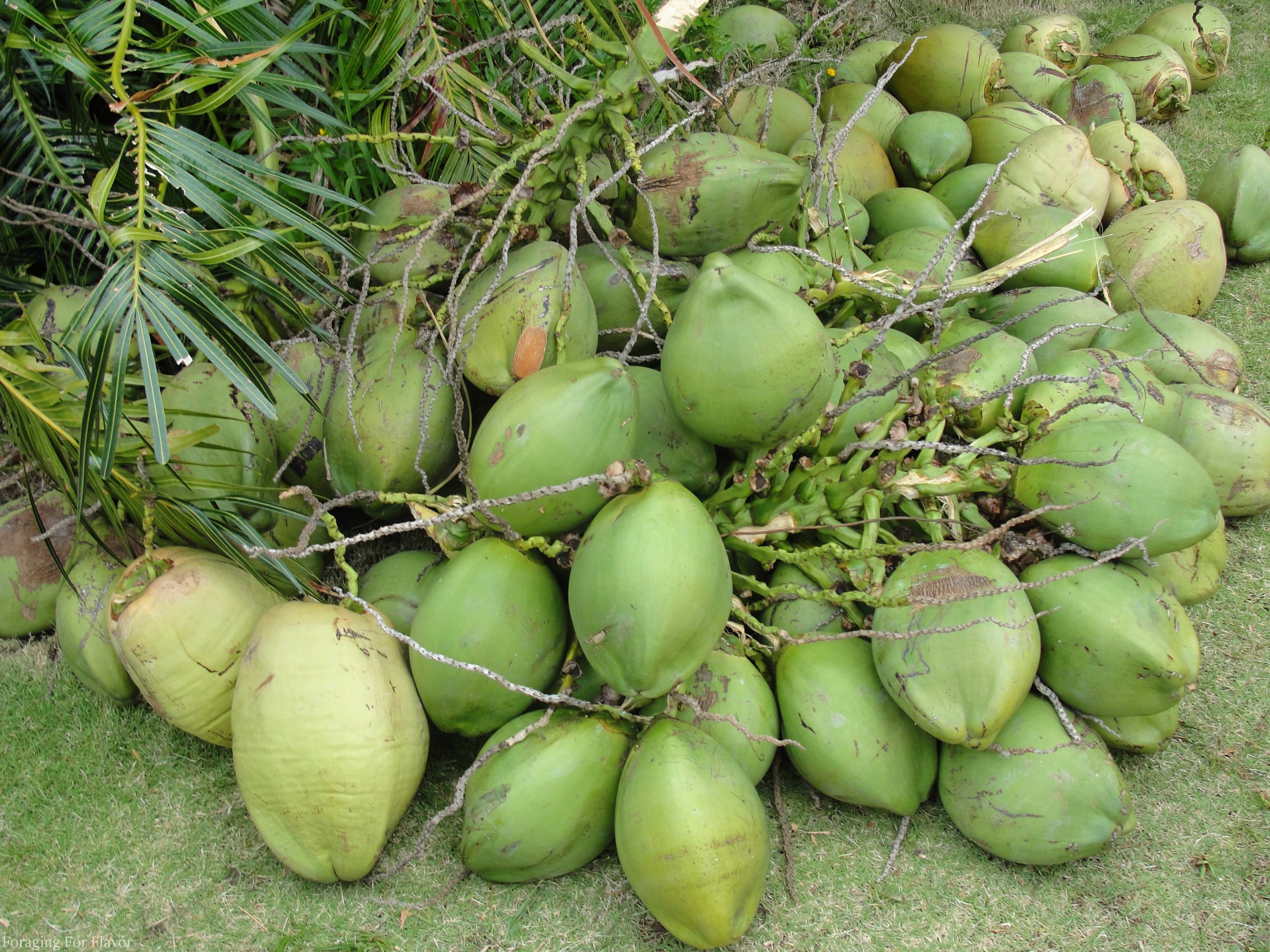
Coconuts

Another food that can also be a million other things. Besides just being great fun to eat, coconut products have a number of amazing health benefits.

Is it the lightly scented oil that’s great for both your skin, in your smoothie and as a cooking ingredient? Or is it the refreshing water that seems to stay colder longer than water? Could it be it the husk, which you can use to build furniture, make jewlery or keep your beach campfire going?

Apparently, you can eat the tender white flesh on the inside, too.

Yes, coconuts contain a lot of fat. Deal with it.

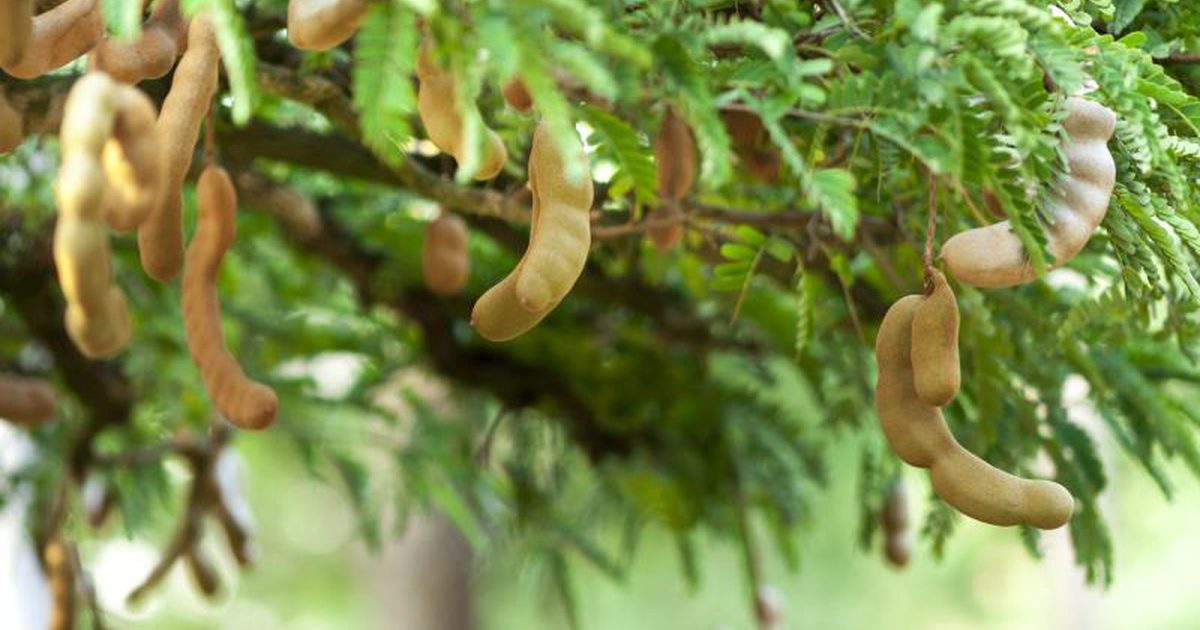
Tamarind

Here’s one you don’t know. It’s a bean that grows in a seed pod from a tree and has to be prepared by being soaked or ground up before you mix it with water or sauce.

Tamarind is also common in India and Southeast Asia. The tart but sweet taste and fibrous texture of tamarind remind me of rhubarb and it has many of the same uses.

That taste comes from the abundant tartaric acid and an indication of the strong antioxidant properties. Then there are the high levels of vitamin A and C, and minerals like calcium and iron. It’s one of the common “aguas fresca” flavors and is commonly used to make sweets, snacks, spreads and pastry filling.

468667674_xs

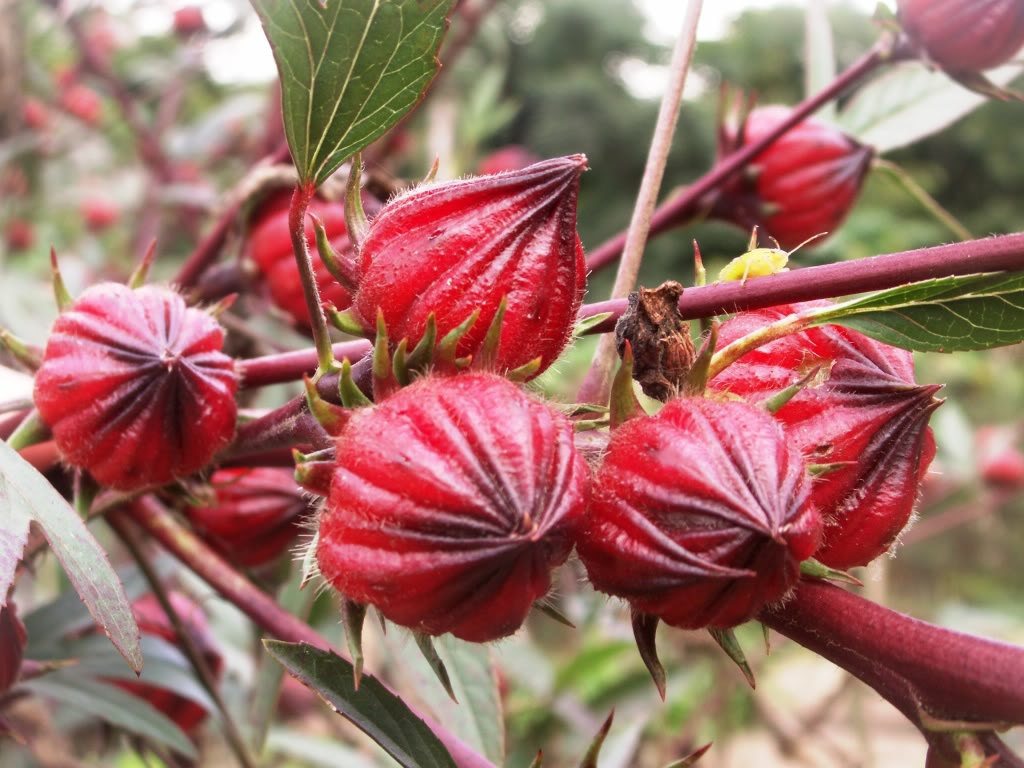
Jamaica

Here’s one you know, except that you don’t. But you do.

This is not the Caribbean nation that gave us Bob Marley and Grace Jones. This is the name of a herb that comes from a flower, and it’s pronounced “ha-my-kah.” Or you can use the word you’re familiar with; hibiscus.

Hibiscus tea is fairly common throughout the world, but there is a myriad of other things you can do with the dried pods and flowers.

Jamaica resembles cranberry in color and taste and has many of the same health benefits, but I find that it’s not as bitter. It’s got those good citric and tartaric acids and is used to regulate cholesterol and blood pressure.

I’ll keep posting these as I discover them. I originally wanted to add nopal, but then I thought it would be better to do a whole other post on cacti and related plants like aloe vera and different types of agave.

KONICA MINOLTA DIGITAL CAMERA

 References:

Oaxaca. (n.d.). In Encyclopedia of the Nations – Information about countries of the world, United Nations, and World Leaders. Retrieved from http://www.nationsencyclopedia.com/mexico/Michoac-n-Zacatecas/Oaxaca.html

Shereen Lehman, MS. (2017, March 27). Coconut Nutrition Facts: Calories and Health Benefits. Retrieved from https://www.verywellfit.com/coconut-nutrition-facts-4135199

The Surprising Health Benefits of Hibiscus. (n.d.). Retrieved from https://www.gaiaherbs.com/articles/detail/42/The-Surprising-Health-Benefits-of-Hibiscus

Trim down club. (2016, August 28). Superfood: Mango Nutrition [Web log post]. Retrieved from http://www.trimdownclub.com/superfood-mango-nutrition/

What Are Superfoods? (11, May). Retrieved from https://www.livescience.com/34693-superfoods.html

What is Tamarind Good For? – Mercola.com [Web log post]. (2018, April 8). Retrieved from https://foodfacts.mercola.com/tamarind.html

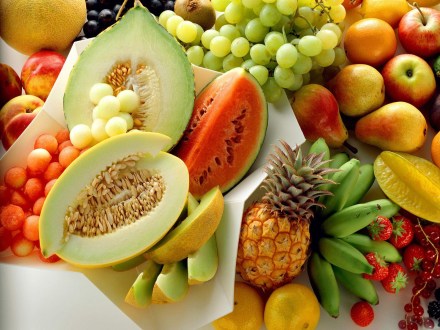
The featured image at the top of this article is entitled “desktop-exotic-fruits-and-vegetables-wallpaper” and was taken from http://www.freehdimages.in/wallpaper/desktop-exotic-fruits-and-vegetables-wallpaper/

Remember that scene (skip ahead to 1:01) when the evil Jedi makes Obi-Wan Kenobi eat the poisoned apple because fresh fruit is so delicious that it can ease his physical pain? No? Not part of the official canon anymore, I guess.