Cheladas

It’s that time of year again. The frost is on the ground, the Thanksgiving turkey is picked clean, and the winter holidays are approaching. If you’re heading to Mexico for some hot steamy fun, cool off with one of the many beer cocktails that are making waves south of the border. Bring a few recipes home and use them with your favorite local craft beer to remember your sunny vacation.

Before we swim over to the poolside bar, it helps to know a few things about Mexican mixed drinks, especially ones that include “chela”, a nickname that Mexicans have given to everyone’s favorite frosty beverage.

If you’re heading to Mexico for some hot steamy fun in the sun, make sure to try one of the many beer cocktails that are making waves south of the border. Bring a few recipes home and use your favorite local craft beer to remember your vacation.

Before we head to the bar, it helps to know a few things about Mexican mixed drinks, in particular ones that include beer.

Let’s start with some of the more surprising and exotic ingredients with this handy glossary.

Salsa. This is not the chunky variety that you use as a dip back home. In Mexico, salsa just means “sauce” and it can be any number of dips or toppings. Ketchup, Worchester sauce, salsa maggy, and Valentina are all examples of “salsa.”


La Ramona

A distinctive drink that’s often served in a large, bowl-like glass with the open beer bottle used as a garnish. Tequila, beer, clamato, salsa inglesa, salsa maggy, (petroleo) limone, tahini, orange juice.

La Ramona is a distinctive drink that’s often served in a large, bowl-like glass with an open beer bottle used as a garnish. It includes tequila and beer, Clamato juice, Worcestershire sauce, lime, and tahini.

Gummi Chela

Candy is dandy, liquor is quicker, and together they’re better. Limone, clamato, sal, mango gummies with red sauce, preferably dark beer. If you’re in the mood for something sweeter, try a Gummi Chela.

We’re not sure who had to the idea to combine dark beer, Clamato juice, and gummy bears with spicy red sauce and a rim of tangy salt, but kudos to that creative mind.

West Coast Michaleda

This one is more popular on the Pacific Coast of Mexico, where tourists from the northwestern US and Canada’s Lower Mainland tend to congregate. Coasties from the north like their seafood and beer, so why not combine them into one big happy glass? This drink that eats like a meal includes fried or peeled shrimp, pan drippings, other “chela” fixens. Dark beer is recommended but it’s not a requirement.

The West Coast Michelada was invented on the Pacific Coast of Mexico, where tourists from the northwestern US and Canada’s Lower Mainland tend to congregate. Visitors from the north like their seafood and beer, so why not combine them into one big happy glass? This drink that eats like a meal starts with a dark beer and includes fried or peeled shrimp, pan drippings, and other typical “chela” garnishes like lime, spicy red sauce, and salt.

Michelada de Sabores

Boilermakers. That means you get a shot glass either on the side of actually dropped into an oversized mug of beer. A frosty beverage with lemon, salt, and almost any flavor of alcohol but in particular tequila or mescal.

Pina Colada Chelada

Take away the sweet coconut milk and rum and replace it with beer, and you have this creative take on an old favorite. It might need a different name at that point, but there has yet to be a Beer Cocktail Committee ruling on what exactly this dink might be.
Hot and White

001 (2)

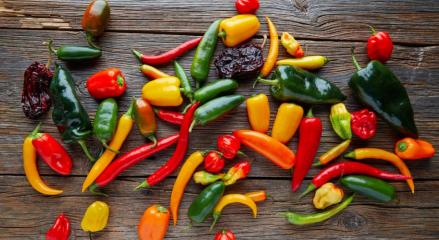
Enjoying Mexican food means eating and cooking with peppers.

It’s common to see the chipotle and jalapeno varieties these days in some Canadian cities. I wouldn’t be surprised to see one in a specialty store in Vancouver. Even the bigger chains like Safeway would have the trendy chipotle version.

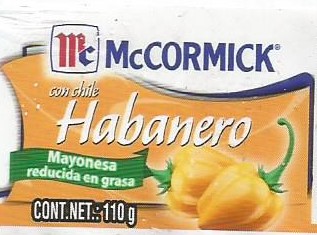
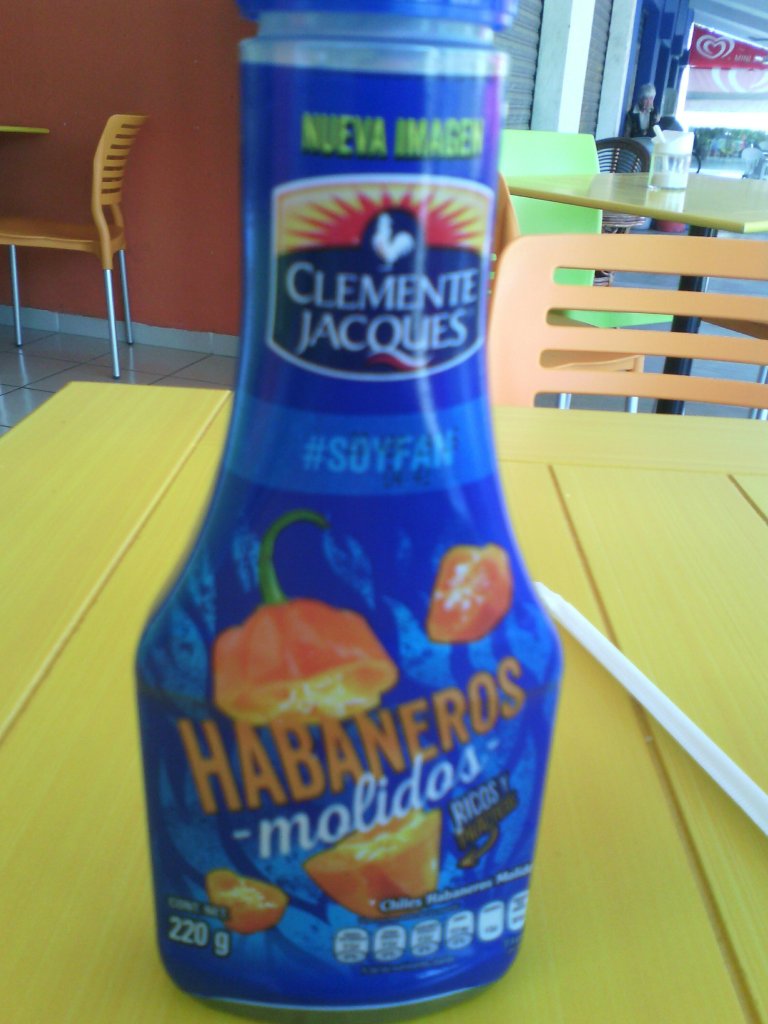
The habanero-mayo is one I’ve only seen once anywhere in Mexico. This was the only size I saw them in, and that’s all you need.

First, I like these jars. They make excellent shot glasses and are great for storing smaller things like tacks, paper clips, and loose beads.

If you find this and want to add some spice to your egg salad or chicken sandwich, be careful. I tasted a bit just as a test and the level of picante made my tongue painfully numb for several minutes. In case you didn’t already know, this happy looking pepper is notoriously hot. The cheerful red, orange, yellow, or even pink habanero pepper hides a brutally high measurement on the Scoville index. This volcanic, molten magma lump of spiciness pretending to be a pepper makes the humble jalapeno cry in shame.

Capsaicin, the chemical that makes peppers hot, has some interesting medicinal and recreational uses. The endorphin rush that goes along with the painful spicy flavor is used for pain relief for some and just for crazy fun by others.

This chemical is so badass that it attacks cancer cells and clears the phlegm from your sinuses. Your metabolism will speed up just to get away from it.

Use the same precautions with habanero mayo as you would with the actual pepper in its raw form. Anyone who has suffered the pain of “jalapeno hands” will tell you that those rubber gloves are worth it no matter how stupid you feel at the time.

Just for the record, I tried all of those home remedies at that link during our Christmas Chili Cook-off. None of them worked. That was just serrano and jalapeno peppers, so imagine how painful habaneros would have been. I wasted a lot of decent rum and yogurt, too.

If you happen to be in Puerto, check out the 6-17 Minisuper next to the gym. his little bodega has been here for years and has all kinds of crazy crap.

This store looks the same as other neighborhood bodegas, but it seems to carry a wider variety of condiments and preserved food in jars and tins. A worthy place to visit in case you’re looking for capers, pickles, olives or other such goodies in Puerto Escondido.

Updating this post to include another discovery, habenero salad dressing. I saw this at a quaint cafe on Rinconada today called Latte Chocolate. Awesome sammies and amazing loose-leaf tea, by the way.

I said I hardly ever saw this. Now, it’s haunting me.


References:

“All the Reasons Your Hot Sauce Obsession is Good for You.” By Nicholas Knock. July 1st, 2016. Taken from https://www.thrillist.com/health/nation/health-benefits-of-hot-sauce-why-capsaicin-and-peppers-are-good-for-you

“Capaisin: Risks and Benefits.” By Manouchehr Saljoughian, PharmD, PhD, Department of Pharmacy, Alta Bates Medical Center Berkeley, California. July 20, 2009. Taken from https://www.uspharmacist.com/article/capsaicin-risks-and-benefits


Luminous Photina

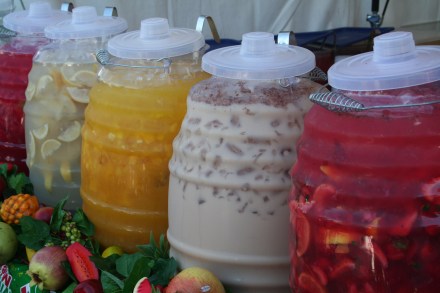
My Easter Season started a few weeks ago. On March 9th, I came to school for class and was pleasantly surprised to find that the regular schedule was suspended to celebrate the Festival of Saint Photina. The students had mixed a few big batches of “flavoured water” (also called “aguas frescas” in other parts of Mexico) which they were serving to the teachers and younger students from the Primary and Kindergarten side.

There were some really nice varieties, including classic favorites like pepino-limon and jamaica along with several creative horchatas. I think it was still the usual rice base but it included papaya and walnut, too. After the teachers and younger students had been served, the students moved the large tubs to the entrance of the school and served free refreshments to passers-by.

Eventually I asked another teacher if there was any deeper meaning behind all this sitting in the shade and enjoying cool drinks when we should be working. It turns out there is.


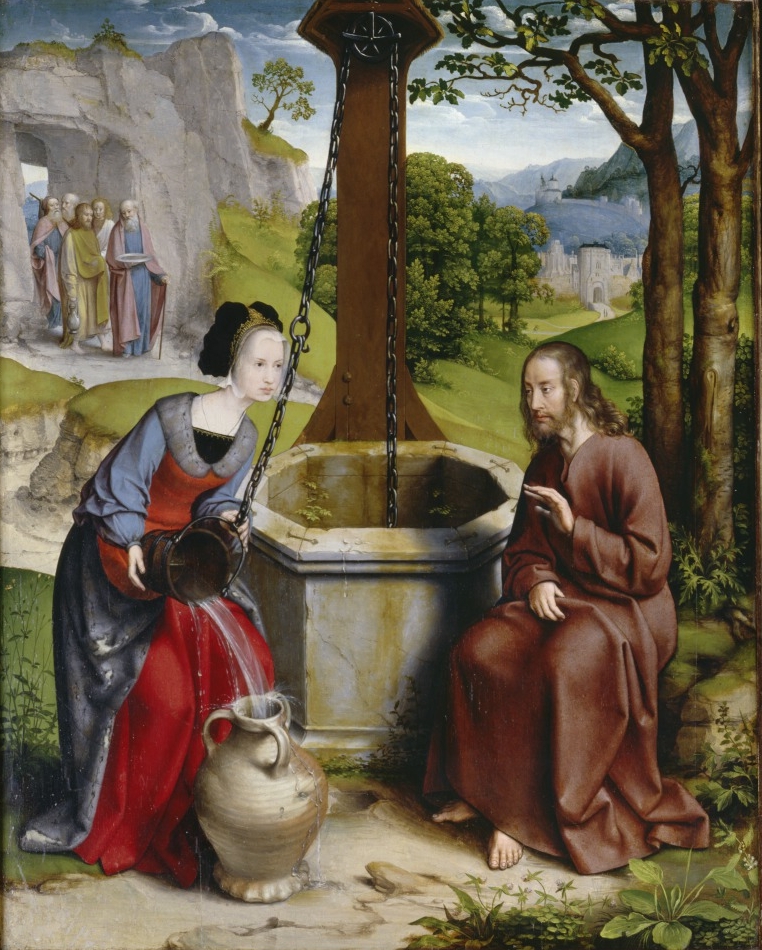
jan_joest_von_kalkar_-_christus_und_die_samariterin_am_jakobsbrunnen
The original aqua fresca.

Every Friday that is part of Lent has a special meaning, especially in Oaxaca. This Friday March 9th we were celebrating Saint Photina. This festival is unique to the state and not commonly observed in other parts of Mexico. She met Jesus at a well during his journey to Jerusalem, and according to the Gospel of John, the two had an honest and intellectual discussion about spirituality and thirst after she helped him draw some cool drinking water from the dangerously deep well.

Then she converted to Christianity. Not only that, she converted her sons and the whole family went on to travel the world as evangelists before being martyred in Carthage. Legend has it they threw her into a well, a great example of an ending that would never work if you tried to include it in a fictional story, which leads me to believe it might have actually happened. And Christianity is all about how many people you convert and how painfully you die, so she’s pretty important.

Aside from being the inspiration for our school party, Photina is an important figure in Eastern Orthodox Christianity and Asian feminist theology. If you’ve ever met a “Svetlana” you’ve met someone who was named for this saint.

0320photini

Our students were essentially recreating the meeting of Jesus and Photina. Some of the lessons learned during these non-class hours include welcoming strangers, sharing what you have, and being hospitable and friendly in general.


References:

Barbezat, S. (2008, March 6). How to Celebrate the Season of Lent in Mexico [Web log post]. Retrieved from https://www.tripsavvy.com/lent-in-mexico-1588773

Easter in Mexico – Planeta.com [Web log post]. (n.d.). Retrieved from https://planeta.com/mexico-easter/

Water of Life (Christianity). (2017, July 2). In Wikipedia, the free encyclopedia. Retrieved April 8, 2018, from https://en.wikipedia.org/wiki/Water_of_Life_(Christianity)