Local Superfood

The word “superfood” sounds dramatic, but it’s just a marketing term that refers to certain kinds of nutrient-rich food. This trend overlaps into restaurants, markets, and grocery stores.

Blueberries, kale, and salmon are famous examples. I also see plants like bamboo as hemp as a superfood, since they can do so many things other than being food. Related to the superfood craze is the juicing trend, the popularity of detox drinks and the farm to table restaurant niche.

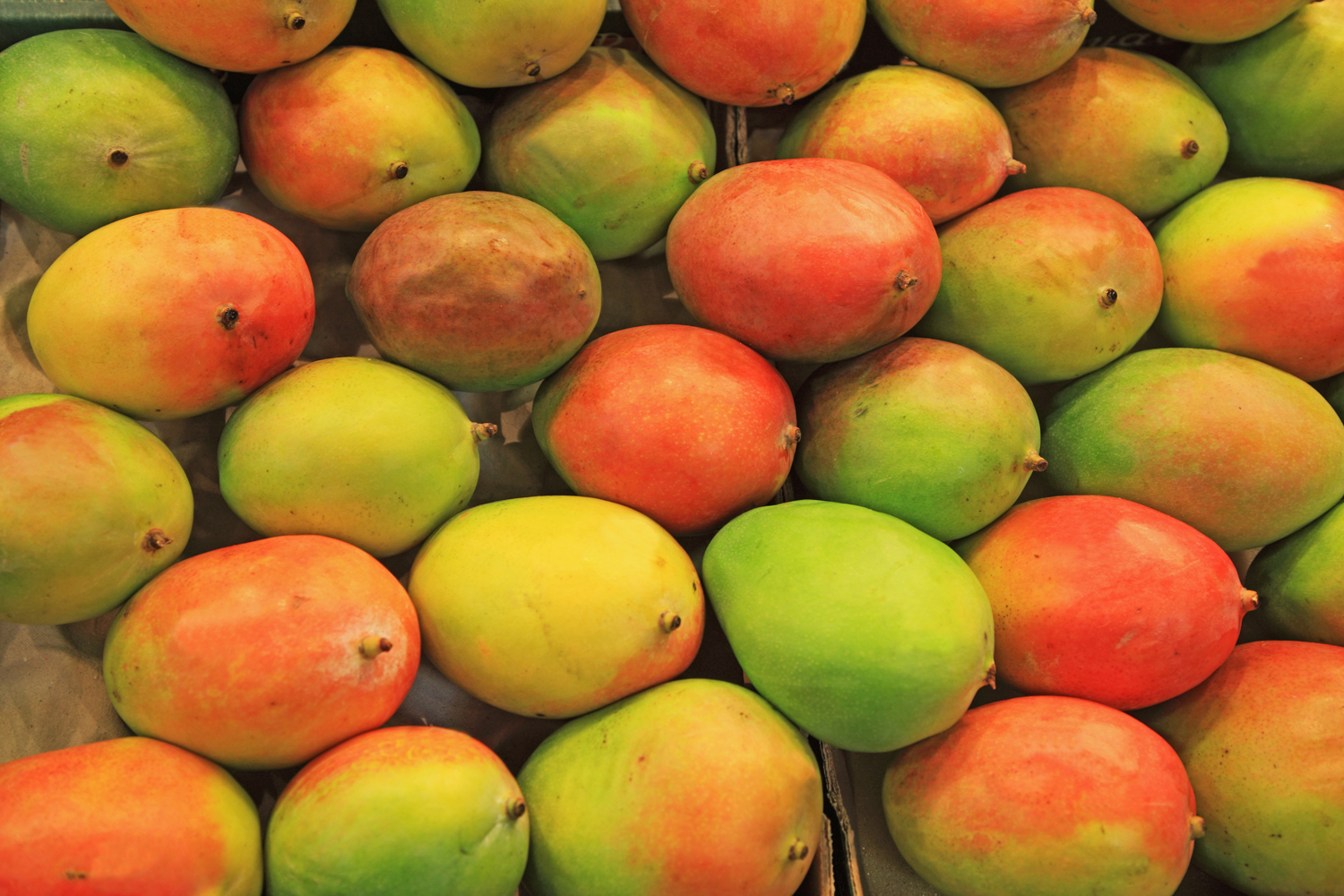
Image: mangos

Growing up in western Ontario meant that fresh fruit was a novelty just as much as hot, spicy food. Actually, any kind of fresh food was a novelty.

My obsession with the tropics might have something to do with my appreciation for exotic food, especially fruit. Even bananas were a treat back in the day. And there was one variety – yellow.

Yellow with a sticker.

1305679449546

I remember the novelty of seeing mangoes and coconuts for sale in the grocery store at a certain time of year. They were a luxury, and restrictively expensive.

The mangoes were always a pile of dark green bricks that smelled better than they tasted and the poor little coconuts were barely the size of softballs.

The fresh fruits and veggies I enjoy now are too numerous to count. Cold-pressed juice, fresh seafood and organic vegetables are just a way of life here in Oaxaca.

Here’s a short list of some “superfood” that I see here almost every day.

Mangoes

A colleague at UNISTMO in Tehuantepec told me that there were more than 16 different types of mangoes in Oaxaca alone. I haven’t been able to find a source to back this up, but considering that Oaxaca produces more mangoes than any other state in Mexico, it’s not hard to believe.

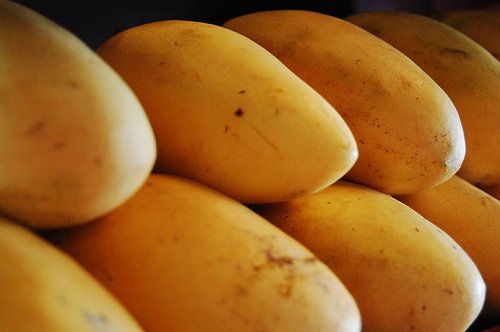
The ones I often see are the small yellow local ataufas or the much larger Tommy Atkins variety, which range from green, orange, and deep red. They’re really high in vitamin C and contain minerals like calcium and iron that other fruits don’t often have.

Mangoes are fantastic not only because of the sweet, rich taste and nutritional value but because of all the things you can do with them in the kitchen and workshop.

They work great in smoothies, pancakes, and salads just to name a few. More ambitious crafters use the creamy texture in cosmetics like creams and shampoos.

coconuts

Coconuts

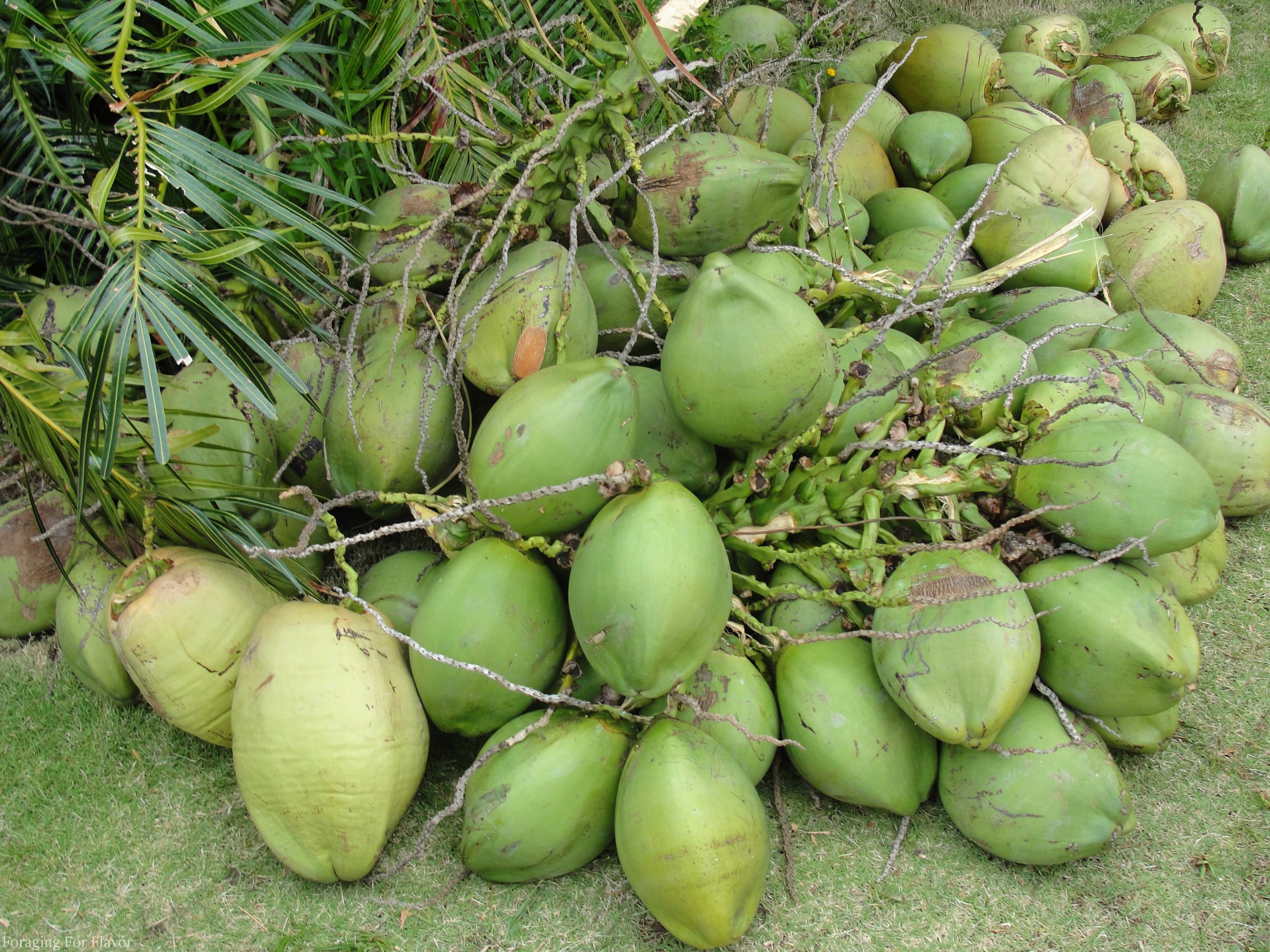
Another food that can also be a million other things. Besides just being great fun to eat, coconut products have a number of amazing health benefits.

Is it the lightly scented oil that’s great for both your skin, in your smoothie and as a cooking ingredient? Or is it the refreshing water that seems to stay colder longer than water? Could it be it the husk, which you can use to build furniture, make jewlery or keep your beach campfire going?

Apparently, you can eat the tender white flesh on the inside, too.

Yes, coconuts contain a lot of fat. Deal with it.

Tamarind

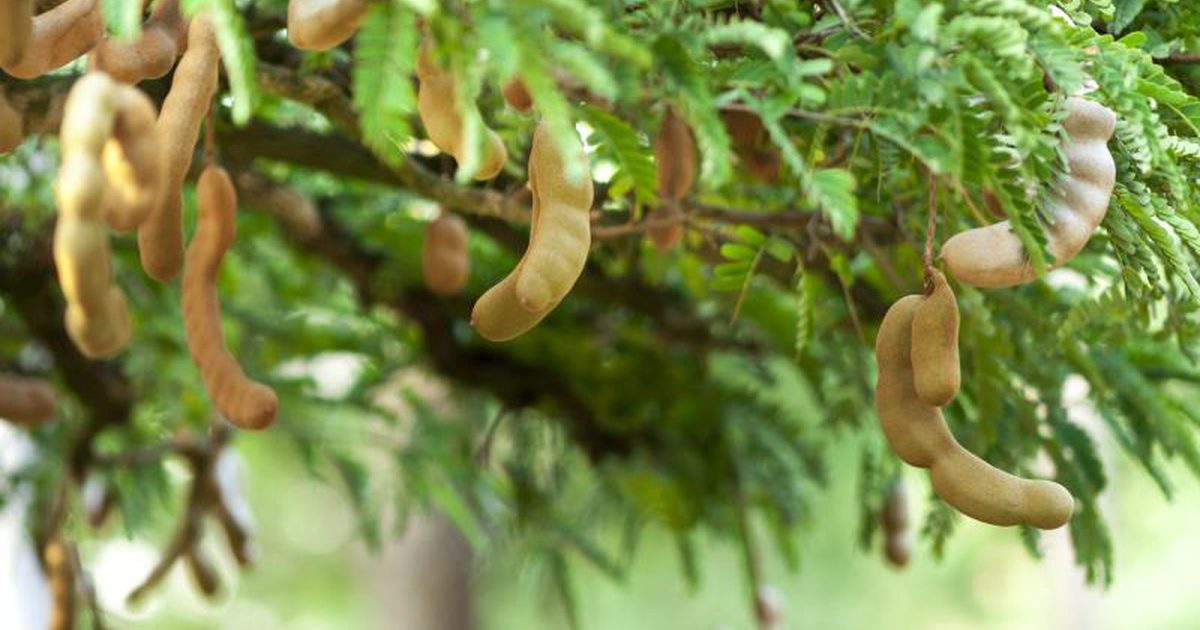
Here’s one you don’t know. It’s a bean that grows in a seed pod from a tree and has to be prepared by being soaked or ground up before you mix it with water or sauce.

Tamarind is also common in India and Southeast Asia. The tart but sweet taste and fibrous texture of tamarind remind me of rhubarb and it has many of the same uses.

That taste comes from the abundant tartaric acid and an indication of the strong antioxidant properties. Then there are the high levels of vitamin A and C, and minerals like calcium and iron. It’s one of the common “aguas fresca” flavors and is commonly used to make sweets, snacks, spreads and pastry filling.

468667674_xs

Jamaica

Here’s one you know, except that you don’t. But you do.

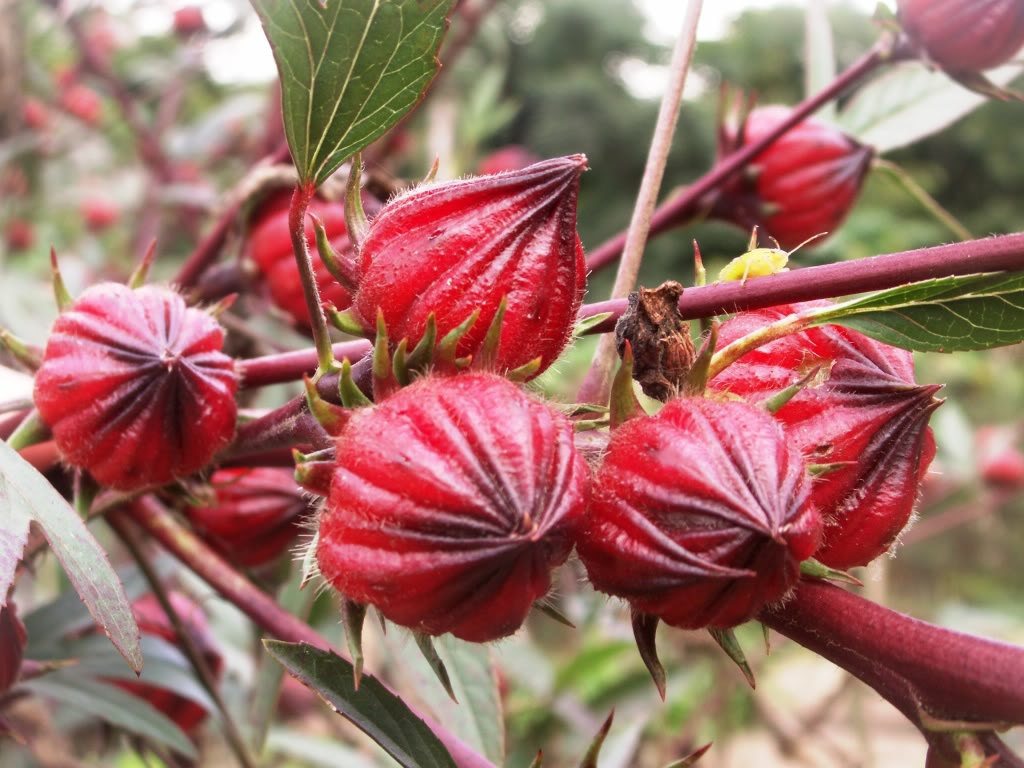
This is not the Caribbean nation that gave us Bob Marley and Grace Jones. This is the name of a herb that comes from a flower, and it’s pronounced “ha-my-kah.” Or you can use the word you’re familiar with; hibiscus.

Hibiscus tea is fairly common throughout the world, but there is a myriad of other things you can do with the dried pods and flowers.

Jamaica resembles cranberry in color and taste and has many of the same health benefits, but I find that it’s not as bitter. It’s got those good citric and tartaric acids and is used to regulate cholesterol and blood pressure.

I’ll keep posting these as I discover them. I originally wanted to add nopal, but then I thought it would be better to do a whole other post on cacti and related plants like aloe vera and different types of agave.

KONICA MINOLTA DIGITAL CAMERA

 References:

Oaxaca. (n.d.). In Encyclopedia of the Nations – Information about countries of the world, United Nations, and World Leaders. Retrieved from http://www.nationsencyclopedia.com/mexico/Michoac-n-Zacatecas/Oaxaca.html

Shereen Lehman, MS. (2017, March 27). Coconut Nutrition Facts: Calories and Health Benefits. Retrieved from https://www.verywellfit.com/coconut-nutrition-facts-4135199

The Surprising Health Benefits of Hibiscus. (n.d.). Retrieved from https://www.gaiaherbs.com/articles/detail/42/The-Surprising-Health-Benefits-of-Hibiscus

Trim down club. (2016, August 28). Superfood: Mango Nutrition [Web log post]. Retrieved from http://www.trimdownclub.com/superfood-mango-nutrition/

What Are Superfoods? (11, May). Retrieved from https://www.livescience.com/34693-superfoods.html

What is Tamarind Good For? – Mercola.com [Web log post]. (2018, April 8). Retrieved from https://foodfacts.mercola.com/tamarind.html

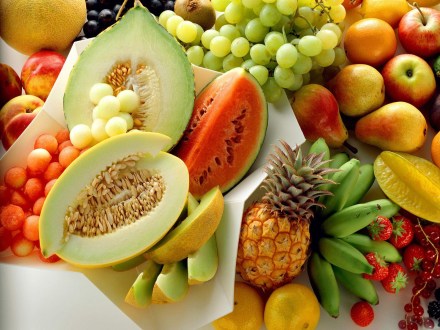
The featured image at the top of this article is entitled “desktop-exotic-fruits-and-vegetables-wallpaper” and was taken from http://www.freehdimages.in/wallpaper/desktop-exotic-fruits-and-vegetables-wallpaper/

Remember that scene (skip ahead to 1:01) when the evil Jedi makes Obi-Wan Kenobi eat the poisoned apple because fresh fruit is so delicious that it can ease his physical pain? No? Not part of the official canon anymore, I guess.

Luminous Photina

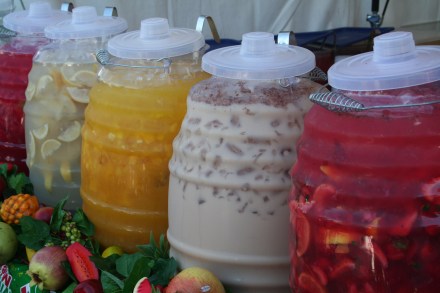
My Easter Season started a few weeks ago. On March 9th, I came to school for class and was pleasantly surprised to find that the regular schedule was suspended to celebrate the Festival of Saint Photina. The students had mixed a few big batches of “flavoured water” (also called “aguas frescas” in other parts of Mexico) which they were serving to the teachers and younger students from the Primary and Kindergarten side.

There were some really nice varieties, including classic favorites like pepino-limon and jamaica along with several creative horchatas. I think it was still the usual rice base but it included papaya and walnut, too. After the teachers and younger students had been served, the students moved the large tubs to the entrance of the school and served free refreshments to passers-by.

Eventually I asked another teacher if there was any deeper meaning behind all this sitting in the shade and enjoying cool drinks when we should be working. It turns out there is.


jan_joest_von_kalkar_-_christus_und_die_samariterin_am_jakobsbrunnen
The original aqua fresca.

Every Friday that is part of Lent has a special meaning, especially in Oaxaca. This Friday March 9th we were celebrating Saint Photina. This festival is unique to the state and not commonly observed in other parts of Mexico. She met Jesus at a well during his journey to Jerusalem, and according to the Gospel of John, the two had an honest and intellectual discussion about spirituality and thirst after she helped him draw some cool drinking water from the dangerously deep well.

Then she converted to Christianity. Not only that, she converted her sons and the whole family went on to travel the world as evangelists before being martyred in Carthage. Legend has it they threw her into a well, a great example of an ending that would never work if you tried to include it in a fictional story, which leads me to believe it might have actually happened. And Christianity is all about how many people you convert and how painfully you die, so she’s pretty important.

Aside from being the inspiration for our school party, Photina is an important figure in Eastern Orthodox Christianity and Asian feminist theology. If you’ve ever met a “Svetlana” you’ve met someone who was named for this saint.

0320photini

Our students were essentially recreating the meeting of Jesus and Photina. Some of the lessons learned during these non-class hours include welcoming strangers, sharing what you have, and being hospitable and friendly in general.


References:

Barbezat, S. (2008, March 6). How to Celebrate the Season of Lent in Mexico [Web log post]. Retrieved from https://www.tripsavvy.com/lent-in-mexico-1588773

Easter in Mexico – Planeta.com [Web log post]. (n.d.). Retrieved from https://planeta.com/mexico-easter/

Water of Life (Christianity). (2017, July 2). In Wikipedia, the free encyclopedia. Retrieved April 8, 2018, from https://en.wikipedia.org/wiki/Water_of_Life_(Christianity)